Infocomm Infocomm
24th NBFC100 TECH SUMMIT AWARDS 24th NBFC100 TECH SUMMIT AWARDS
BFSI AI SUMMIT BFSI AI SUMMIT
Home Regulators RBI SEBI TechINFRA Security Data Centre Cloud Services Government Reforms DBT Aadhaar GST Payments Payment Gateways ATM Point of Sale Payment Wallets Fintech Apps Banks Public Sector Private Sector Cooperative NBFCs Year Ender Magazine Magazine Subscription Articles Interviews Webinars Webinar Videos Video Series — Innovation Talk Upcoming Initiatives BFSI Events About Us Contact Us

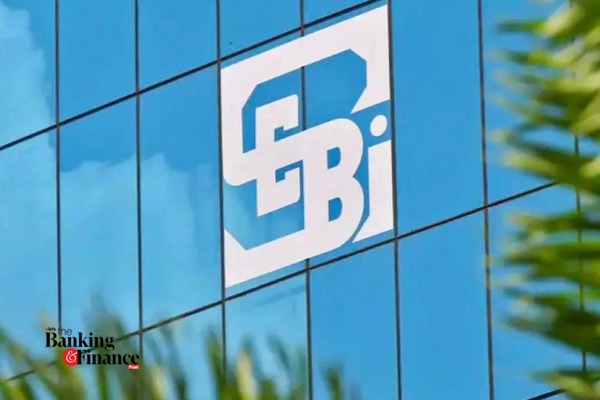
SEBI mandates KYC for E-wallets used to invest in Mutual Funds

SEBI

SEBI has advised fund companies to ensure that mutual fund transactions are completed using KYC-compliant e-wallets. This will become effective on May 1, 2023. “It should be ensured that all e-wallets are fully compliant with KYC norms as prescribed by Reserve Bank of India,”

According to a circular issued by SEBI. SEBI approved fund houses to accept up to Rs.50,000 every fiscal year using e-wallet in 2017. After making KYC required for retaining e-wallets in mutual funds on May 1, 2023, industry analysts believe that the capital markets regulator’s decision will increase security and reduce the danger of fraud in mutual fund transactions.

Jitendra Dhaka, Founder, BankSathi, “For Metro, Tier 1 and 2 cities customers, Know-your-customer (KYC) requirements will ensure that only authorised users have access to e-wallets, thereby boosting security and decreasing the risk of fraud. By integrating KYC to e-wallets, clients will have improved investment transparency, as they will be able to more easily trace their mutual fund holdings and transactions. After the completion of the KYC procedure, consumers will be able to invest in mutual funds using e-wallets without the burden of continuously providing physical documents.

AdvertisementSAAS

Challenges for Tier 3, 4, 5 cities Customers is that it is possible that a large number of people living in Tier 3 and Tier 4 and 5 cities are unfamiliar with the KYC process and struggle to understand the criteria and processes involved in it. And they may not have a sufficient level of literacy in digital media, which makes it difficult to perform KYC through online platforms. Customers that live in more remote areas and do not have access to the internet or cellphones may have a more difficult time completing the Know Your Customer procedure online. As a result, the SEBI and the companies that supply e-wallets have a responsibility to inform users about the advantages of KYC and to simplify the process of completing KYC for customers in Tier 2 and Tier 3 locations. E-wallet service providers should also study other ways for users to complete KYC, such as the installation of kiosks or the formation of partnerships with local agents who can assist customers through the process.”
Elets The Banking and Finance Post Magazine has carved out a niche for itself in the crowded market with exclusive & unique content. Get in-depth insights on trend-setting innovations & transformation in the BFSI sector. Best offers for Print + Digital issues! Subscribe here➔ www.eletsonline.com/subscription/

Get a chance to meet the Who's who of the Banking & Finance industry. Join Us for Upcoming Events and explore business opportunities. Like us on Facebook, connect with us on LinkedIn and follow us on Twitter, Instagram.

Our Coverage of News

EPFO UPI Withdrawal: BHIM App Trials Run With 100 Subscribers

The Employees' Provident Fund Organisation (EPFO) is running final validation trials with 100 shortlisted subscribers across India before… Read more →

NPCI MyUPI Puts UPI Help and Safety Switch in One Place

The National Payments Corporation of India (NPCI) has opened up MyUPI, an AI-powered support platform that brings a… Read more →

Turtlemint GST Search Hits Insurance Broking Arm in Mumbai

The Maharashtra Goods and Services Tax (GST) Department began inspection, search and seizure proceedings on 23 November 2026… Read more →

India GCCs Emerge as Cybersecurity Hub for Global Banks

India's global capability centres (GCCs) are becoming the cybersecurity command hub for some of the world's largest banks.… Read more →

FASTag Transactions Hit ₹7,786 Crore in October 2026

FASTag transactions rose to ₹7,785.98 crore in October 2026, up 9.7% from September, while toll and parking volume… Read more →

RBI Governor Malhotra Asks NBFCs to Bolster Cyber Defences

Reserve Bank of India (RBI) Governor Sanjay Malhotra on 23 November 2026 urged non-banking financial companies (NBFCs) and… Read more →

whatsapp--v1