




Two years ago, the Nifty closed at 26,216. On 16 September, 2026, it was at 23,217, about 11% lower, and brokers are feeling it. Accounts are still getting opened, but the number of people who actually trade on the NSE fell from 4.92 crore to 4.57 crore in the year to March 2026. Almost every large broker is listed, or sits inside a listed parent, or has private equity and venture capital investors who will want to sell their stake at some point. Growth has to come from somewhere, and if it isn’t coming from new clients, it has to come from existing clients trading more.
We tested the ten largest broking apps in India to see what that looks like in practice. You get between 3 and 10 notifications a day, and most of them could nudge you into a trade. Good for the broker, not so good for the client. The evidence on this has been around for 25 years. Brad Barber and Terrance Odean went through the accounts of 66,465 households at a large US discount broker between 1991 and 1996, a period when the market returned 17.9% a year. The households that traded the most made 11.4%.

It’s worth asking how many of these alerts matter to you. A ₹1,000 stock declares a ₹30 dividend, and on the ex-dividend date (the day from which new buyers no longer get that dividend) it opens at ₹970. Your app says the stock is down 3%. You haven’t lost anything; the ₹30 is on its way to your bank account, before tax. The alert was accurate and still misleading.
Or take someone doing SIPs (fixed monthly investments into mutual funds) for retirement or for a child’s education. A bad day in the market changes neither goal and doesn’t deserve a pop-up. What does deserve one is a SIP that failed because the bank balance ran short, or a college fee due in six months, or shares that have quietly grown into a bigger part of the portfolio than was planned.
Some brokers now let AI tools plug directly into your account data, and with the others you can export a report from their analytics dashboards and upload it. From there, any investor can build a set of alerts around their own goals, cheaply, and keep improving it.

A lot of this doesn’t need AI at all. A SIP reminder is a simple rule, and so is a deadline for a corporate action (a company event, like a buyback, where you have to decide something). Where AI earns its keep is reading. It will summarise a company’s disclosures, compare what management said this year with last year, and explain what you actually own, using only the data you’ve agreed to share.
But it makes mistakes, and makes them confidently. It can misread a document or use old information, so check what it tells you against the original filings before acting on it.
The wording of an alert matters as well. “Everyone is buying this stock” is pressure, while “buying this would put a third of your portfolio in one company” is something you can weigh. I’d like platforms to measure whether the user understood the message, because more clicks and more trades don’t tell you anyone is better off.
There is one risk I don’t have an answer to. If similar AI models read the same news for millions of investors, messages that look personal could push everyone in the same direction, buying together or rushing out together. Disclosing the risk doesn’t fix it.
Also Read: Best Platforms to Buy Corporate Bonds in India in 2026
None of this changes how wealth gets built: save regularly, manage risk, keep costs low, give it time to compound. AI can help by making information easier to understand. And sometimes the most useful notification is the one telling you nothing needs doing.
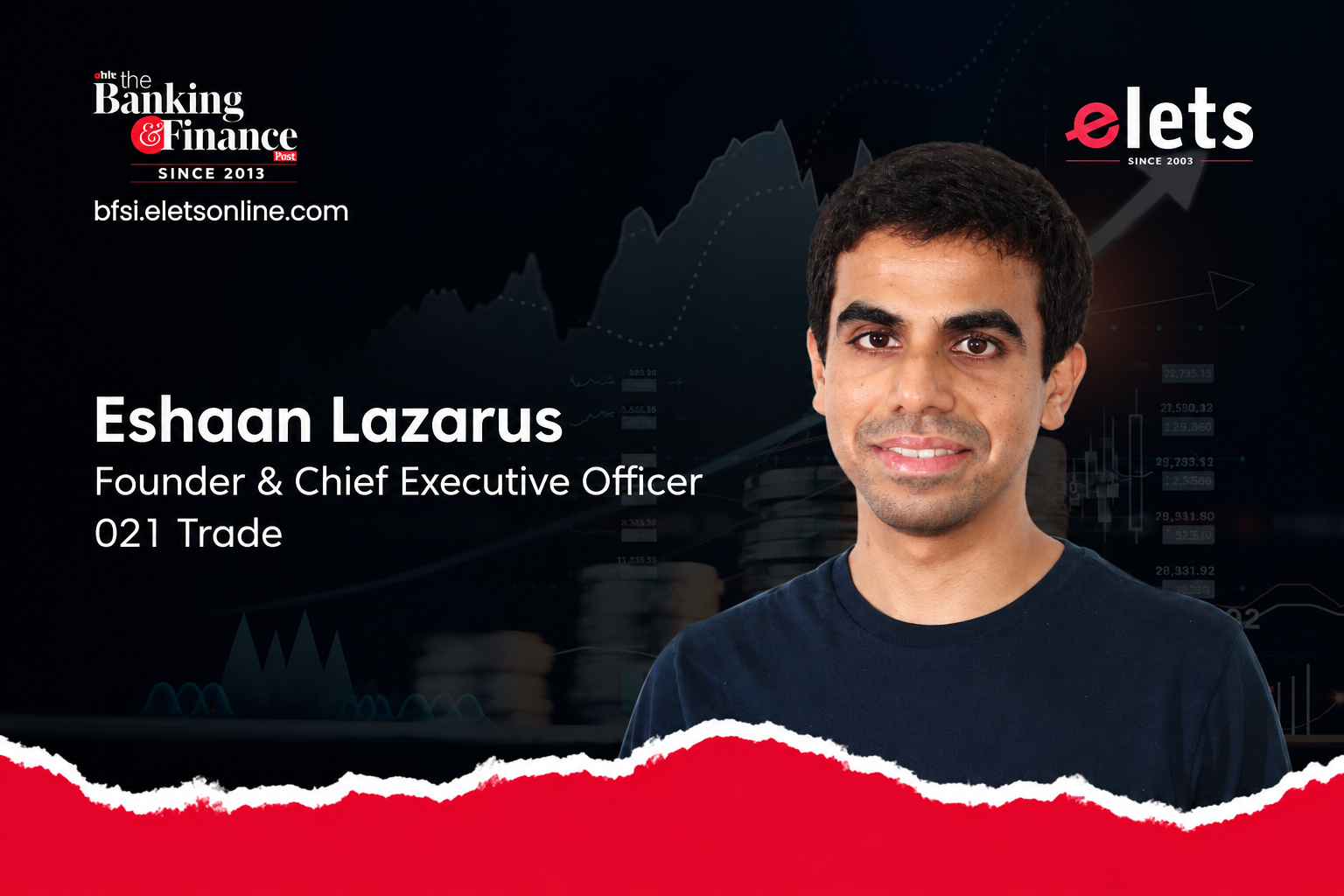
Views expressed by: Eshaan Lazarus, Founder & CEO, 021 Trade