

India’s fintech listing pipeline is large, but the road to Dalal Street has become harder to read. Uncertainty over when, and how fully, a merchant discount rate (MDR) will apply to UPI payments, combined with volatile equity markets, is prompting fintech companies and their investors to revisit both IPO timelines and valuation expectations.
A pipeline worth up to ₹33,600 crore
According to data compiled by Tracxn from external research and reported by The Hindu BusinessLine, Indian fintech firms that have disclosed or are reported to be preparing public offerings account for at least ₹30,600 crore of planned IPO capital, and possibly more than ₹33,600 crore. The list includes PhonePe, Razorpay, Navi, InCred Holdings, Fibe, InsuranceDekho and Upstox. KreditBee and PayU India are not counted, as their listing plans are either unconfirmed or on hold.

Why UPI MDR matters for valuations
Under the proposed framework, a 0.4% MDR would apply to person-to-merchant UPI payments above ₹2,000, capped at ₹300 per transaction, with a flat ₹5 fee for categories such as bill payments, fuel and education. NPCI had set 15 October as the start date, but its UPI steering committee later deferred the levy until after Diwali, with a fresh date yet to be notified.

For payments companies that process the bulk of their volumes on UPI, that delay leaves a key revenue line undefined just as they prepare to face public-market investors.
“Public market investors value predictability. They want a clear view of how a company earns, what its margins look like over time, and how durable that profitability is. For payments companies, MDR sits at the centre of that view,” Kunal Jhunjhunwala, founder of airpay, told the publication. He added that companies heading to the market would need a few quarters of data under the new regime to show how merchant behaviour, revenue sharing and payments economics evolve.

Markets, rates and risk discounts
MDR is only one variable. Kushal Bhagia, founder and partner at All In Capital, pointed to market volatility, global interest-rate expectations, the performance of listed peers and investor appetite for technology stocks as factors that will shape IPO timing and pricing. Where revenue depends on transaction volumes without a clear monetisation path, investors may apply a higher risk discount.
Delays also have knock-on effects. Longer roads to listing can stretch exit timelines for early backers and slow the recycling of capital for funds nearing the end of their cycles, although strategic sales and secondary transactions remain alternative liquidity routes. Fresh funding, meanwhile, is expected to favour companies with strong fundamentals and diversified revenue streams.
Fibe clears a key regulatory step
Even amid the caution, the queue is moving. Fibe, operated by Social Worth Technologies, has received SEBI’s final observations for its proposed IPO, comprising a ₹750-crore fresh issue and an offer for sale of about 4.01 crore shares. The fresh capital is largely earmarked to strengthen the capital base of its lending subsidiary and support onward lending.
The road ahead
The pipeline remains substantial, and digital payments continue to scale, with UPI handling more than 2,400 crore transactions a month. But for India’s next wave of fintech listings, the balance between fundraising needs, valuation ambitions and investors’ demand for clear, durable profitability is likely to decide who lists first, and at what price.
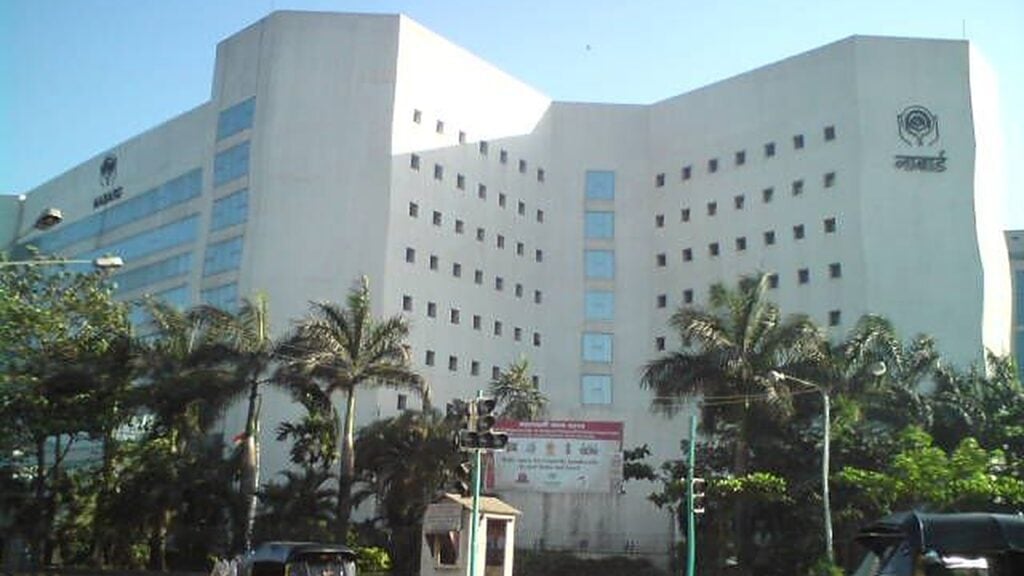
Image: BSE building, Mumbai (Photo: Niyantha Shekhar / Wikimedia Commons, CC BY 2.0)