

Indian non-banking financial companies (NBFCs) are using AI underwriting and early-warning systems to catch likely defaults sooner, with L&T Finance, Poonawalla Fincorp and Kissht reporting lower bounce rates and delinquencies in their latest numbers, The Economic Times reported on 25 November 2026. L&T Finance said its Cyclops platform cut two-wheeler EMI bounce rates to 12.5% from 22%.
The trend builds on similar moves across the lending industry, including Piramal Finance’s AI-led credit risk model, as NBFCs push AI deeper into credit decisions rather than limiting it to customer service.
How L&T Finance’s Cyclops AI underwriting changed bounce rates
At L&T Finance, the AI-powered underwriting platform Cyclops coincided with a fall in overall EMI bounce rates in the two-wheeler portfolio, from 22% before implementation to 12.5%. First-EMI bounce rates, measured before any collection effort, fell to 8.5% from 13%.

Lending did not slow down. Quarterly two-wheeler disbursements rose to ₹3,170 crore from ₹2,621 crore over the same comparison period.
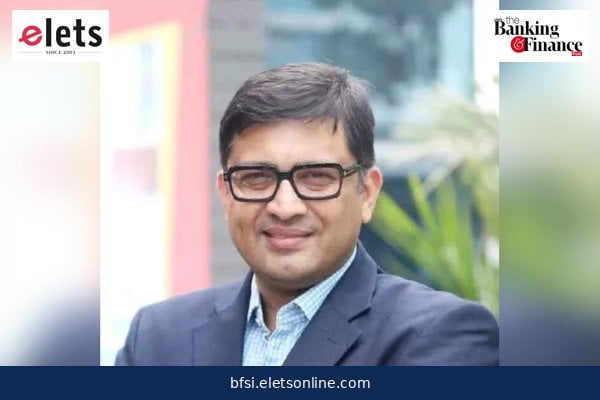
“In the SME business, bounce rates in our Cyclops-underwritten portfolio are 50% of those in the legacy portfolio,” said Sudipta Roy, MD & CEO, L&T Finance.
Roy added that Nostradamus, the company’s AI-powered early-warning platform, identified potential benefits of about ₹50 crore in the first half of FY27 through lower collection costs and early resolution of stressed accounts.
Poonawalla Fincorp and Kissht report lower delinquencies
Poonawalla Fincorp reported a sequential improvement in early delinquencies. Its six-month-on-book 30-plus-day delinquency rate, excluding gold loans, fell to 0.35% in July–September 2026 from 0.67% in the previous quarter. Credit costs eased to 2.19% from 2.40%.
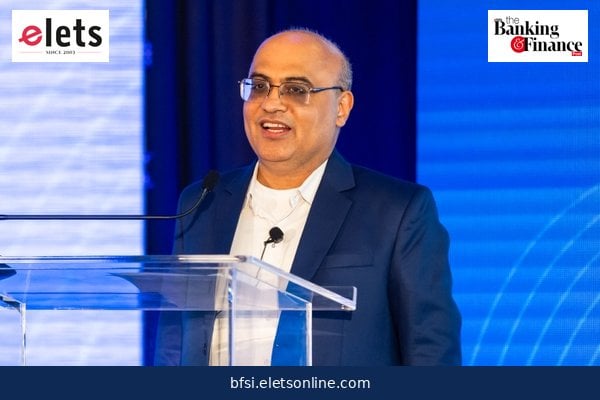
“Ground-level underwriting signals and real-time collection intelligence are fed directly back into our risk decisioning engine,” said Shriram Iyer, Chief Credit and Analytics Officer, Poonawalla Fincorp. The lender has identified 143 AI projects across its operations and implemented 84 of them.
Digital lender Kissht, which recently crossed ₹10,000 crore in AUM on AI-led lending, said its first-EMI 90-plus-day delinquency fell to 0.69% in the September quarter, from 1.16% a year earlier and 0.73% in the June quarter.
Why AI in NBFC credit risk matters
For NBFCs, first-EMI bounces and early delinquencies are the clearest early signs of weak underwriting. Spotting them sooner lets lenders tighten approvals, focus collection teams on the right accounts and protect margins without cutting disbursements.
Banks are on a similar path. Indian Bank’s agentic AI collections system has helped shrink its special mention accounts book. Regulators, meanwhile, want boards to stay accountable for these models, a point made when RBI asked bank boards to own AI and tech risk decisions.
Key takeaways
- L&T Finance’s Cyclops cut two-wheeler EMI bounce rates to 12.5% from 22%, while disbursements rose to ₹3,170 crore a quarter.
- Poonawalla Fincorp’s early delinquency rate nearly halved to 0.35%, and credit costs eased to 2.19%.
- Kissht’s first-EMI 90-plus-day delinquency fell to 0.69% from 1.16% a year earlier.
FAQ
What is AI underwriting for NBFCs?
It uses machine-learning models on borrower, transaction and behaviour data to decide whether to lend and on what terms, and to flag likely defaults earlier than rule-based checks.
What is a first-EMI bounce?
It is when a borrower misses the very first instalment of a loan. Lenders track it closely because it often signals a poor credit decision or fraud.
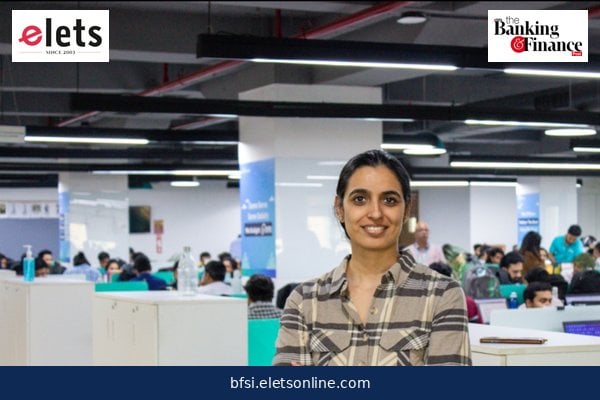
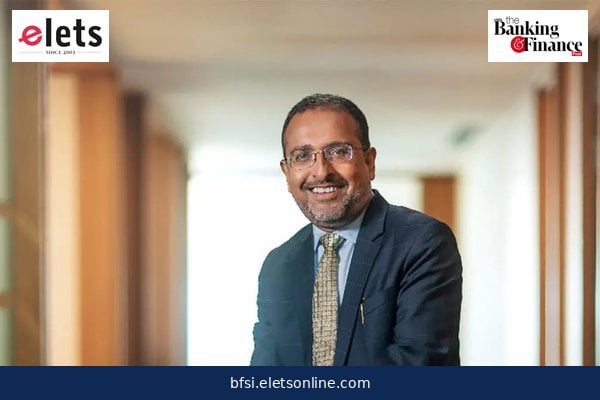
Featured image: Sudipta Roy, MD & CEO, L&T Finance. Photo: L&T Finance.