

India’s largest non-banking financial companies are turning cautious in the countryside. Shriram Finance, Mahindra & Mahindra Financial Services (M&M Finance) and Bajaj Finance are slowing fresh disbursements in drought-affected districts, stepping up collections and tracking borrowers for early signs of repayment stress, The Economic Times reported on 27 October 2026.
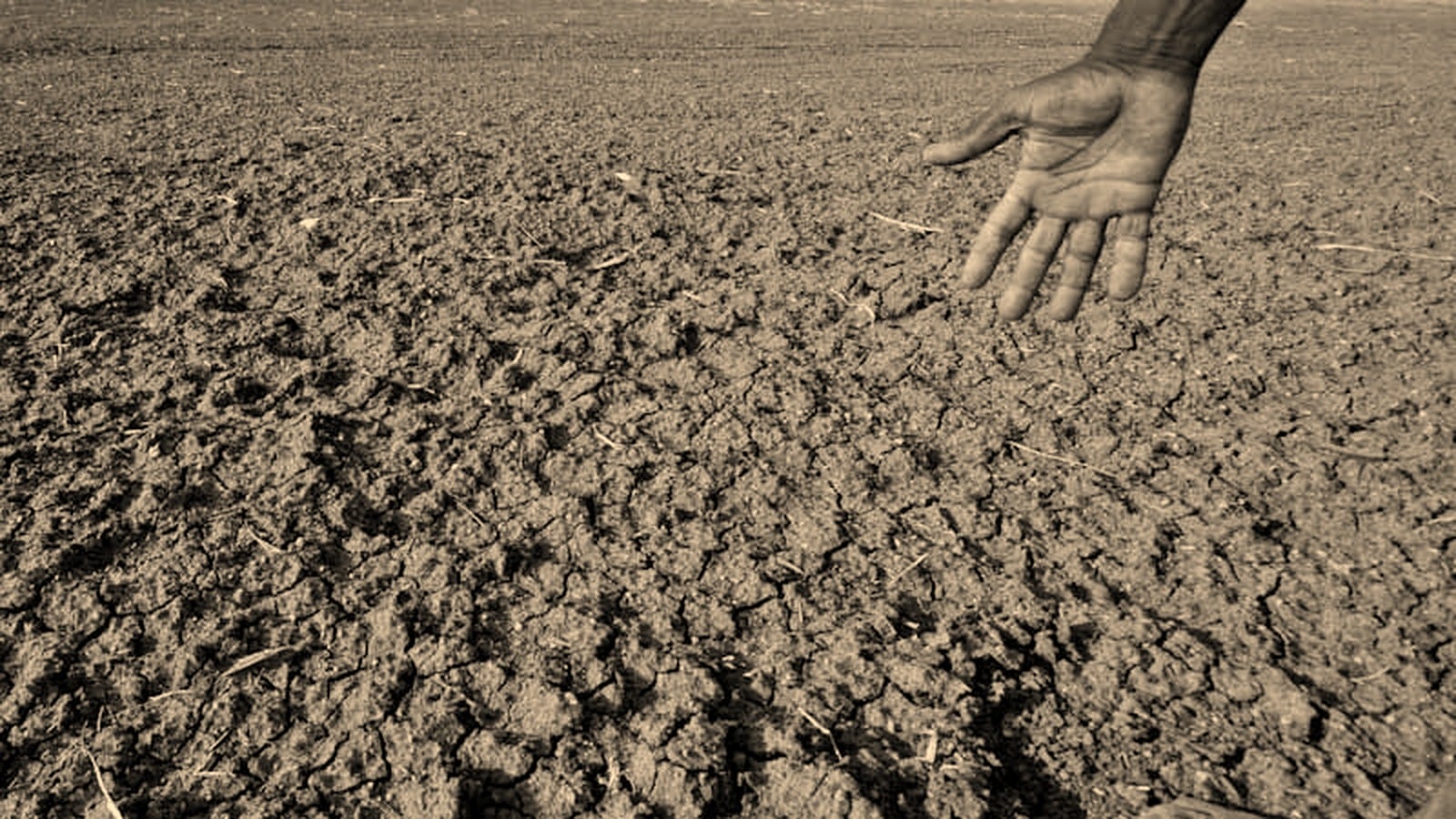
The trigger is a poor monsoon. India’s southwest monsoon ended 13% below normal in 2026, the weakest showing since 2015. The southern peninsula recorded a 24% shortfall, and Karnataka, an important market for rural-focused lenders, was 32% short.

Why a rain deficit matters to lenders
A weak harvest squeezes farm incomes, which in turn slows rural consumption and local economic activity. For NBFCs whose books are heavy on vehicle loans, small-business credit, consumer finance and microfinance in rural India, that can quickly show up as delayed repayments. The concern is now shaping credit decisions well beyond crop loans.

How the big three are responding
Shriram Finance has moderated lending in parts of Karnataka, central India and eastern Maharashtra after ground-level feedback pointed to a slowdown. MD and CEO Parag Sharma told the newspaper the company is not expanding its book in these locations, and could tighten loan-to-value ratios or focus harder on collections if conditions worsen.
M&M Finance cut funding in stressed locations during the July-September quarter and has reinforced its in-house collection network, bringing in external agencies where needed. MD and CEO Raul Rebello told analysts the company is watching three states and 282 districts classified as drought-prone. The lender has also doubled its liquidity buffer in rupee terms from a year ago, citing the West Asia crisis and the risk of an El Nino-linked drought.

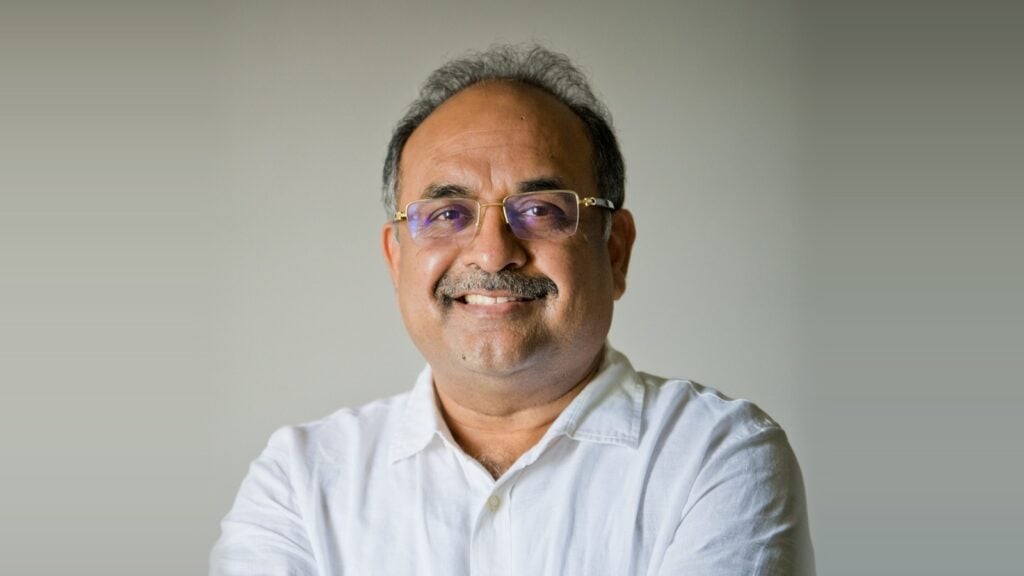
Bajaj Finance is monitoring all 720 districts in which it operates and has scaled back business where drought has been declared, including reducing microfinance originations in some districts and parts of its business-to-business lending. Vice-chairman and MD Rajeev Jain said Maharashtra currently looks the most affected, though conditions vary by region. The company said its priority in drought-hit districts is to stand by customers in line with state government directives and regulatory guidance, and that it expects its scale to support continued overall growth.
What to watch
The moves come as lenders and banks alike flag drought-affected regions as the key asset quality watchpoint for the second half of FY27. Slower rural originations could weigh on loan growth guidance for vehicle financiers and microlenders, while collection efficiency and early-bucket delinquencies in Karnataka, Maharashtra and central India will be closely tracked in the coming quarters.
For borrowers, the shift may mean stricter loan-to-value norms and more selective lending in affected districts until the rural economy recovers.