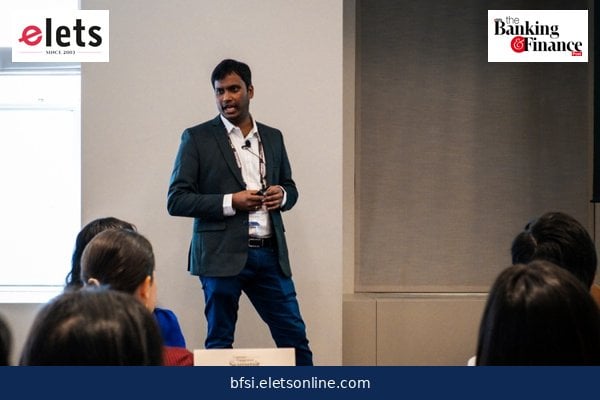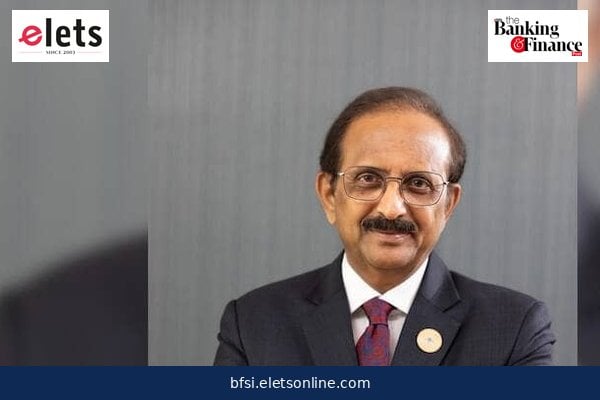


SBI Chairman CS Setty has warned that mistakes made by artificial intelligence may no longer stay inside one process but could cascade across interconnected banking systems. Speaking at a corporate governance event organised by Excellence Enablers in Mumbai on 19 November 2026, the head of India’s largest lender said banks deploying autonomous systems need clearly defined permissions, transaction limits, audit trails and mechanisms for human intervention.
“Errors may no longer remain confined to a single process but could cascade across interconnected systems, which we are witnessing across the globe today, making clearly defined permissions, transaction limits, audit trails and intervention mechanisms extremely important,” Setty said, as reported by PTI via Mint.
What SBI Chairman CS Setty wants bank boards to do
Setty said AI offers substantial productivity gains but also creates new governance risks. According to Business Standard, he said institutions must clearly understand what an autonomous system is authorised to do: the information it may access, the decisions it may take, and when human intervention becomes mandatory.

He set out the board’s role in five areas:
- Purpose over momentum: AI adoption should serve genuine business needs, such as customer experience, risk management or wider access to finance, and “cannot become an end in itself”.
- Inclusion by design: AI must not inadvertently exclude rural borrowers, small businesses or people without conventional credit histories.
- Board capacity: directors should be able to assess model risk, data governance, cybersecurity and algorithmic bias. Setty suggested adding AI learning to the annual cybersecurity drill that bank boards already undergo.
- Explainability: an institution that cannot explain why an AI-backed process denied a loan, flagged a transaction or initiated an action faces serious governance challenges.
- Pace: AI adoption must stay in line with an institution’s capacity to govern it, especially where decisions carry financial, legal, ethical or reputational consequences.
Setty also pointed to the Reserve Bank of India’s AI policy, which places ultimate responsibility for AI governance on the board. His remarks echo the message from RBI Deputy Governor S C Murmu, who recently asked bank boards to own AI and technology risk decisions.
How SBI uses AI today
Setty said SBI was the first bank in the Indian banking system to adopt a responsible AI policy, which sets out principles, boundaries and accountability for AI use across the organisation. The bank applies AI and machine learning mainly in fraud risk management and business operations, and has used AI for years in areas such as cheque clearing and personal loans. Earlier this year SBI said it would automate over half of its cheques using AI.
One example is a patented AI and ML model that evaluates around 23,000 SBI branches and classifies each as very high, high, medium or low risk from a fraud-management perspective. The bank uses that ranking to prioritise branch audits.
The focus, Setty said, is now shifting from individual AI use cases to enterprise-level adoption, where governance matters most for large institutions. He named fairness, reliability, explainability, security and accountability as the critical elements of AI governance, adding that preventing model bias is “extremely important” for a bank with SBI’s diverse customer base.
Why it matters for Indian banks
Indian lenders are moving quickly from pilots to production AI. Banks have reported gains of up to 50% from AI deployments, while recent incidents have shown how AI agents in banks can overstep without safeguards. Regulators are also watching closely: the insurance regulator recently flagged AI model risks as 85% of insurers adopt the technology.
Setty’s message is that AI can recommend or even take actions, but accountability stays with people. “AI should complement, not substitute, the judgement and oversight of boards, strengthening their ability to discharge their responsibility while leaving accountability firmly where it belongs,” he said.
Key takeaways
- SBI Chairman CS Setty warned on 19 November 2026 that AI errors could cascade across interconnected banking systems.
- He asked banks to set clear permissions, transaction limits, audit trails and human intervention points for autonomous systems.
- SBI says it was the first Indian bank with a responsible AI policy, and runs a patented model that risk-ranks about 23,000 branches for fraud audits.
- Under the RBI’s AI policy, final responsibility for AI governance rests with the bank board.