

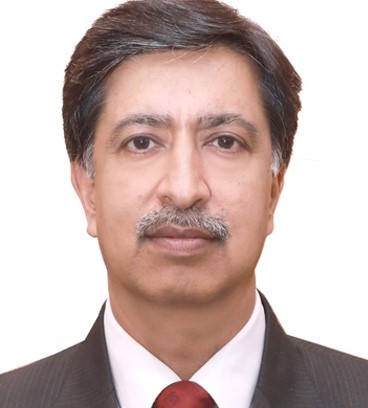


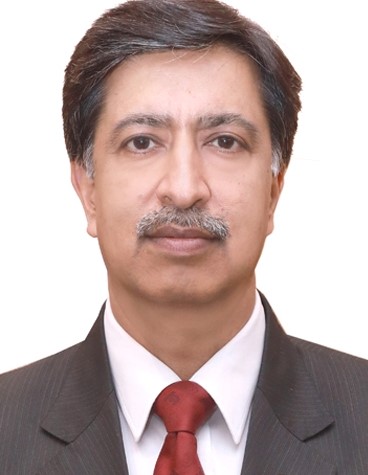
Sunil Soni, General Manager-IT, Punjab National Bank
Deployment of new-age technologies like Mobile Banking, Anytime Anywhere Banking, cardless transactions, biometric-based transactions, Robotics, Chatbots etc. are absolutely necessary to meet varied customer preferences in the country. However, several challenges including the financial viability of the product and services offered to emerge as one of the biggest roadblocks to this implementation, says Sunil Soni, General Manager-IT, Punjab National Bank, in conversation with Elets News Network (ENN).
In the era of digitisation, how progressive are Public Sector Banks (PSBs) as compared to their private contenders?

Public Sector Banks have made immense efforts to create the products and solutions catering to the needs of ever-increasing customer base. Demonetisation, reduction in the cost of bandwidth, opportunities to serve the millennial customers and the need to overcome the competition from Fintech and Payment Banks have been the driving factors for the Public Sector Banks.
While there may be an initial delay in adopting digital technologies due to the procurement processes involved in Public Sector Banks, we have caught up with the private sector counterparts in offering digital products and services as we have a sizable client base.

How important is the deployment of new-age technologies?

Is India ready to implement all innovations practised by banks across the world? Deployment of new-age technologies like Mobile Banking, Anytime Anywhere Banking, cardless transactions, biometric-based transactions, Robotics, Chatbots etc. are absolutely necessary to meet varied customer preferences.

While India is ready to implement the innovations practised by the banks across the world, several challenges such as the size of the banks, the adaptability of desired change by the customers and the financial viability of the product and services (as the large segment of the customers are not ready to bear the cost of such transactions), hinder the immediate implementation.
The other challenges include lack of uniform adoption of technologies across the countries. A case in point, while the Indian Regulators and the Payment Service providers (for avoiding cloning risk) have drawn a roadmap for implementation of Chip-based EMV (Europay Mastercard and Visa) cards with the creation of the requisite infrastructure for the card acceptance, still many countries in the west are lagging behind.
In the absence of uniform adoption, maintenance of the cards with both Magstripe and Chip and the card reader infrastructure to accept both types of cards is a challenge, which leads to increased operational costs. Any service or product that is offered through one channel needs to be replicated across channels to cater to customer’s preference and convenience.
Financial Inclusion and Digitisation both are trying to reach their goal in the country. What role is Phygital Banking playing in this aspect?
In India, while the millennial population prefers digital mode, the old and middle-aged prefer physical Brick and Mortar model for fulfilling their banking needs. In fact, the bank branch is one of the outing for the superannuated customers who prefer to visit banks and interacting with the staff and their friends.
Conservative Indian middle-class feels assured with the physical presence of their own known representative for their banking transactions. That is the reason for the huge success of the financial inclusion concept in the remote villages which has given the poor people, an opportunity to be financially independent and get connected to the mainstream banking services.
The Enhanced Access and Service Excellence Agenda (EASE) promoted by the Government of India focuses on deepening the financial inclusion by expanding the products and services that are being offered through the Banking Correspondents.
Thus Phygital (Physical with Digital) Banking has a major role to play in making India an Economic Superpower besides having a financially literate population. The Direct Benefit Transfer (DBT) with immediate credit to the beneficiary’s bank account, linking of Aadhaar with a bank account, Life Insurance and General Insurance Facility to the account holders are some of the significant steps to enable common man for financial independence.
How does PNB strike a balance between physical and digital banking?
With 7000+ offices and 9000+ ATMS, Cash Acceptors, and a strong Banking Correspondent Network spread across the country and more than 11 crore Customers, PNB has a solid foundation and is building on its strengths. This combined with unified Core Banking System with Digital offerings through a host of Services like Retail and Corporate Internet Banking, Tab, Mobile Banking, financial inclusion kiosks, various card offerings and a variety of deposit and credit products to suit the varied aspirations of the customers helps PNB in striking a balance between physical and digital banking.
What are the prime challenges and opportunities for the Indian Banking Sector in 2019?
There is an immediate need to handle the stressed assets, cost of operations by shoring up per employee productivity, attracting the customers and prospects with suitable products and services and retaining them, expanding quality credit portfolio besides securing the critical assets like customer and financial data, and surviving the technology adoption challenges. The dependence on the Government of India for capital infusion remains.
The opportunities exist for tapping the unbanked areas through a combination of physical banking, digital banking and reach of the Banking Correspondents, collaboration with Fintech companies and start-ups for evolving suitable physical and digital products and service, which are new and attractive, consolidate through mergers and acquisitions to increase the Asset Size and scale of operations will lead to a reduction of operational cost per customer and increased productivity.
Opportunities exist for closing the unviable branches, relocating branches to emerging economic and residential centres to cater to the banking needs in these centres.