




India’s non-banking finance companies have asked the Insurance Regulatory and Development Authority of India (IRDAI) for a five-year transition period to bring down the commissions they earn on credit-linked insurance, warning that the regulator’s proposed caps could make the business unviable for lenders.
In an October 24 submission, the Finance Industry Development Council (FIDC), the industry body for NBFCs, said the proposed ceilings of 2% on credit life and 5% on credit health insurance do not reflect what it actually costs lenders to distribute these policies. According to FIDC’s activity-based cost model, distribution expenses work out to roughly 32% of premium once customer acquisition, branch infrastructure, technology, compliance, servicing and the credit risk of financing premiums are counted.

A glide path instead of a cliff
Rather than an abrupt cut, the council has proposed that NBFCs voluntarily reduce commissions from the current 45–49% range to about 25% over five years, mirroring the five-year glide path IRDAI has offered insurers to align their expenses of management (EoM). FIDC has also sought permission for lenders to pay premiums directly to insurers on behalf of borrowers.

The council cautioned that steep, immediate cuts could push lenders out of insurance distribution altogether and weaken the last-mile network that is needed to deepen insurance penetration, especially in rural and semi-urban India.
650-plus submissions, deadline extended to October 31
The NBFC pushback is one of more than 650 submissions IRDAI has received on its two-part consultation paper, Recalibrating Economics of Insurance Distribution, released on September 23. The regulator has extended the last date for comments to October 31, 2026, from October 25, citing significant interest and the need for wider participation. The Insurance Brokers Association of India had sought an extension till the end of December.

The draft framework proposes product- and channel-specific commission caps, separate limits for individual and corporate distributors, a phased reduction in insurers’ EoM limits, and curbs on practices such as compulsory bundling of insurance with loans and certain volume-linked incentives.
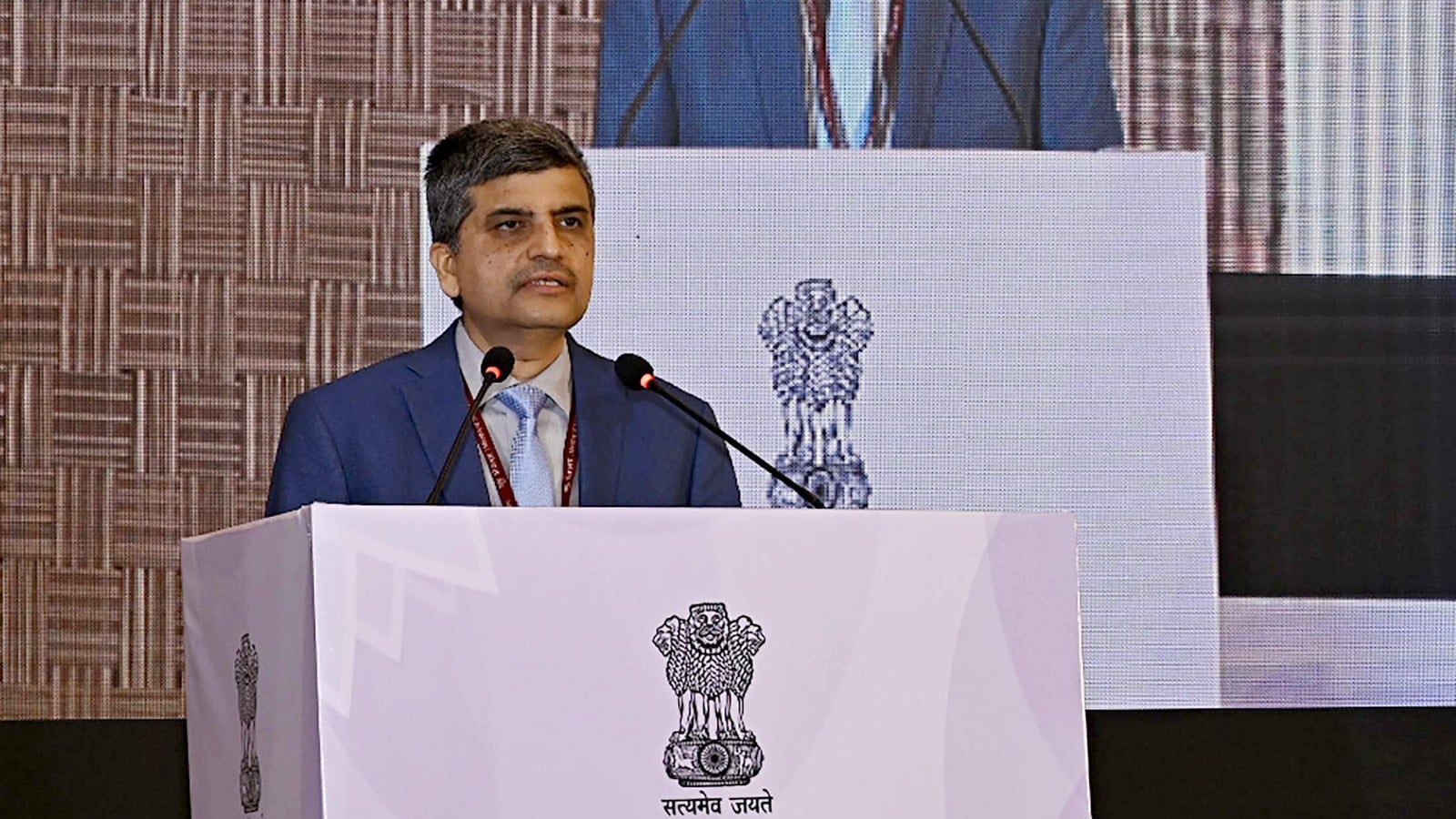
IRDAI Chairman Ajay Seth has indicated January 1 and April 1 as possible dates for implementation, with the final timeline depending on the feedback received. He has urged stakeholders to explain the business and economic rationale behind their recommendations and how they would benefit policyholders.
Why it matters for banks and lenders
The proposals have implications well beyond NBFCs. Bancassurance has become a meaningful fee pool for private banks, and analysts expect the impact of lower commissions to vary sharply depending on each lender’s reliance on insurance income. The Reserve Bank of India has also said it will share its views with IRDAI on the proposed overhaul.
How IRDAI balances policyholder value against the economics of distribution will shape fee income, product bundling and insurance reach across India’s lending ecosystem in 2027.