

M1xchange, India’s second-largest Trade Receivables Discounting System (TReDS) platform, is in talks with banks in Russia and Brazil to share its invoice-financing technology, Founder and CEO Sundeep Mohindru told Mint on 22 November 2026. The move would take India’s RBI-regulated model for paying small businesses faster beyond the African markets where M1xchange already operates.
The talks follow a BRICS decision taken in Jaipur in August 2026, during India’s presidency of the grouping, to explore a common invoice-discounting system for small businesses that face delayed payments. Mohindru said BRICS members will still need to reach a collective agreement for that plan, called the Jaipur Consensus, to take shape.

How the M1xchange TReDS model works
TReDS is an electronic platform authorised by the Reserve Bank of India (RBI) that lets micro, small and medium enterprises (MSMEs) sell unpaid invoices to banks and other financiers. Several financiers bid to buy each receivable at a discount, so the MSME gets working capital early and the financier later collects from the buyer. India introduced the framework in 2014, and M1xchange, run by Mynd Solutions Pvt Ltd, went live in 2017.

“We have already engaged and started giving technology for other BRICS countries to start TReDS within their local geography. So, there is an engagement with Russia. There is engagement with Brazil,” Mohindru said.
From Nigeria to BRICS: the overseas push
M1xchange’s international journey began in 2022, when its subsidiary Mynd Fintech partnered with Nigeria’s Fiducia Data Services. The platform has been live in Nigeria since 2023, its technology has been deployed in Ghana and Rwanda ahead of launch, and the company is in advanced talks in Ethiopia, Kenya and other markets. It is also working with regulators and industry bodies across West Asia and Africa.

- Domestic reach: about 1,25,000 MSME sellers and 17,000 buyers onboarded as of November 2026, around 13,000 of them MSME buyers.
- Throughput: ₹1,24,434 crore of invoices financed in FY26, up 61.4% from ₹77,083 crore in FY25, and ₹92,998 crore between April and October 2026, according to RBI data.
- Small-to-small financing: invoice discounting where both buyer and seller are MSMEs is expected to reach about ₹5,000 crore in FY27, from about ₹1,400 crore in FY26.
Why TReDS matters for MSME credit in India
India’s five TReDS platforms financed invoices worth about ₹3.5 trillion in FY26, nearly 50% more than a year earlier, even as delayed payments owed to MSMEs stood at ₹8.1 trillion according to the FY26 Economic Survey. Platform volumes have kept climbing, with TReDS volumes jumping 36% as MSMEs sought festive capital this year. Rival platforms have also grown, including KredX after it received RBI’s final nod to launch its TReDS platform DTX.
Policy is adding fuel. An amendment to the MSME Development Act now requires central public sector undertakings to pay MSME suppliers only through TReDS, and the FY27 Union Budget announced securitisation of invoice financing so that insurers and funds can join as financiers. Digital trade-finance players are expanding alongside, such as Drip Capital’s plan to unlock ₹5,000 crore in trade finance in Bihar and new lending platforms like StrideOne, which raised ₹100 crore for MSME credit. More detail on the framework is available on the Reserve Bank of India website and in Mint’s interview with Mohindru.
Key takeaways
- M1xchange is in talks with banks in Russia and Brazil to share its TReDS technology.
- The push builds on its live platform in Nigeria and deployments in Ghana and Rwanda.
- A common BRICS invoice-discounting system still needs agreement among member nations.
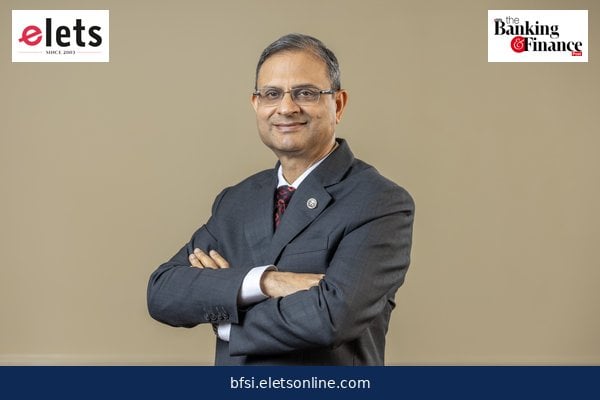
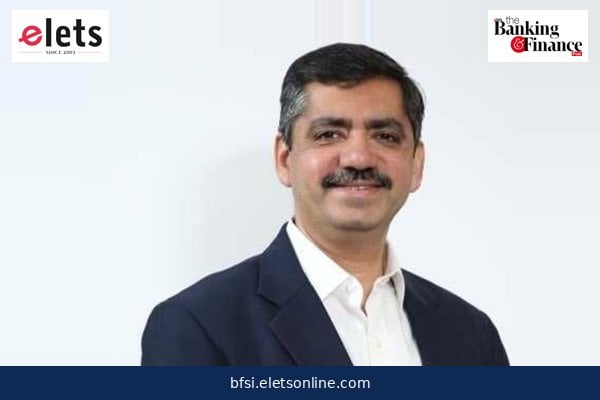
Featured image: Sundeep Mohindru, Founder and CEO, M1xchange. Photo: M1xchange.