

The Reserve Bank of India (RBI) plans to let online stockbrokers offer government bond trading to retail investors inside their own apps from 2027, Reuters reported on 23 November 2026, citing two people familiar with the matter. Brokerages would connect to the central bank’s RBI Retail Direct platform through an application programming interface (API), so investors could buy and sell government securities from the same app they already use for stocks and mutual funds.
How government bond trading on broker apps would work
According to the report, a committee of leading online brokers is being formed to work out the technical integration with RBI Retail Direct. Rather than asking investors to open and manage a separate Retail Direct Gilt account on the RBI portal, the plan would let SEBI-registered brokers plug their platforms into the RBI system and route orders on behalf of their clients. The RBI did not immediately respond to a request for comment, and no launch date or list of participating brokers has been announced.
RBI Retail Direct, launched in November 2021, allows individuals to invest in Central Government securities, Treasury Bills, State Development Loans and Sovereign Gold Bonds in both primary auctions and the secondary market. Details of the scheme are available on the official RBI Retail Direct portal.

Why the RBI wants a wider retail base
India’s sovereign debt market is worth about $2.3 trillion but remains dominated by banks, insurers, mutual funds and other institutions. Uptake of Retail Direct has been modest: the platform had about 4,03,000 participants in mid-November 2026, up from roughly 67,000 in December 2022, with total holdings of ₹4,885 crore.
Online brokers, by contrast, already reach a vast audience. More than 130 million retail investors now trade equities directly, compared with about 27 million in 2019, according to NSE data. Groww has about 13.7 million active investors, while Angel One and Zerodha have around 7 million each. The ranking among these platforms has shifted this year, with Angel One overtaking Zerodha as India’s number two broker.
What it means for fintech platforms and investors
For wealthtech and broking apps, government securities would add a low-risk product that can help retain users when equity markets are volatile. Retail investors have already been moving beyond stocks into fixed income, a trend seen in platforms such as PB Money, which secured a SEBI online bond platform provider licence, and in the growing list of platforms that let individuals buy corporate bonds.
Market participants told Reuters that seamless integration and faster settlement will decide whether the move succeeds, since users are used to managing stocks, mutual funds and corporate debt in a single app. The plan also fits with regulators’ wider push on debt market depth, as SEBI works with the RBI and the Finance Ministry to improve bond market liquidity.
Key takeaways
- The RBI plans to let online brokers offer government securities trading to retail clients from 2027, as reported by Reuters via Business Standard.
- Brokers would link to RBI Retail Direct through an API, and a committee of top brokers is being set up for the integration.
- Retail Direct had about 4.03 lakh participants and ₹4,885 crore in holdings in mid-November 2026.
FAQ
Can retail investors buy government bonds in India today?
Yes. Individuals can open a free Retail Direct Gilt account with the RBI, and some brokers already offer access to the secondary market through the RBI’s Stock Broker Connect route on the NDS-OM platform.
When will broker apps offer government bond trading?
The integration is expected in 2027, according to people familiar with the plan. The RBI has not announced an official timeline.
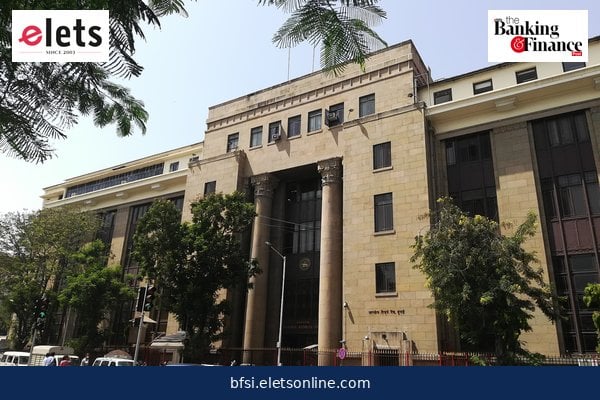
Featured image: Reserve Bank of India building, Mumbai. Photo: Anurag Vijay 03 / Wikimedia Commons (CC BY-SA 4.0).