AI Forecast · BFSI
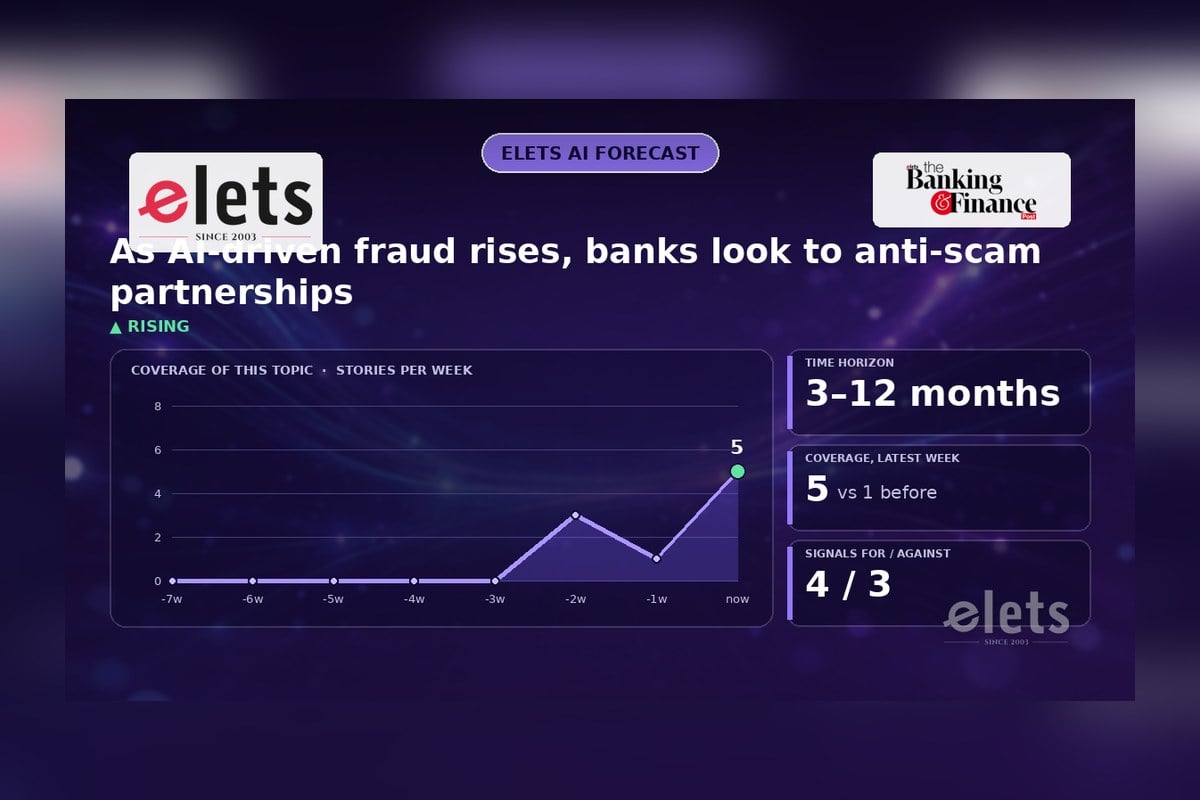
This is what AI says. It is an AI-assisted reading of publicly reported developments, reviewed by the Elets Editorial Desk. It is a qualitative assessment with stated uncertainty, not a probability or a prediction of certainty, and not investment, legal or policy advice. Outcomes may differ.
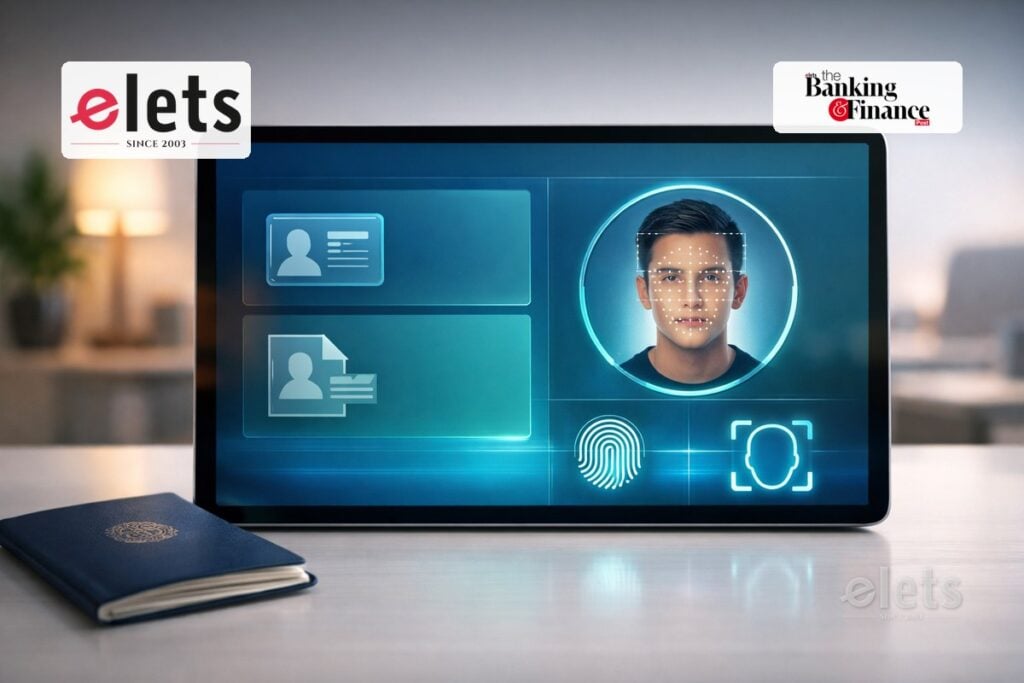
RCBC's renewed Whoscall deal and fresh Indian alerts on AI-powered fraud suggest more lenders may invest in customer-facing scam defences.

Assessment: Early signal · Horizon: 3–12 months · Direction: rising
Uncertainty: Wider adoption may depend on costs, how effective existing tools prove to be and whether regulators push for them. Attackers using AI could also outpace current defences.

Verified development
When: 5 November 2026
Philippine lender RCBC renewed its deal with caller-identification app Whoscall as part of a stepped-up anti-scam push, Fintech News Philippines reported. In India the same day, CERT-In warned banks and fintech firms about AI-driven fund transfer fraud, and NPCI issued safety tips for digital payments during the festive season.
Interpretation
AI's reading is that rising official warnings about AI-powered attacks, alongside visible bank–tech anti-scam deals abroad, suggest more lenders and payment providers may sign similar partnerships or launch customer-facing fraud tools in the next 3–12 months.
Reporting that the first three days after a UPI scam can determine how much money is recovered suggests faster detection and reporting tools could become a focus for Indian banks and payment apps.
Who it matters to
- Retail banks and payment apps, which face rising AI-driven fraud attempts and the related customer trust risk.
- Fraud-prevention, caller-ID and security vendors, because they may see more partnership demand.
- Consumer-protection and cyber agencies such as CERT-In and I4C, whose alerts are shaping industry responses.
Supporting signals
- RCBC has renewed its Whoscall deal as part of a stepped-up anti-scam push.
- CERT-In and I4C have issued alerts on AI-driven attacks and fund transfer fraud targeting banks and fintechs.
- NPCI has issued festive-season safety tips, and reporting highlights the importance of quick action after UPI scams.
- Visa is investing in AI-focused payments hubs in Singapore.
Contrary evidence and risks
- The evidence shows warnings and consumer advisories in India but no confirmed new bank–vendor anti-scam deals there.
- AI-powered attack groups are reported to be actively targeting firms, which could outpace partnership-based defences.
- Central bankers are still at the stage of urging preparation for AI's impact rather than mandating specific tools.
What the signals show
Multiple reports describe a CERT-In alert on an AI-powered hacking campaign targeting Indian fintech and crypto firms. I4C has separately cautioned banks and fintechs against AI-driven cyberattacks.
Elsewhere, the Bangko Sentral ng Pilipinas governor said central banks must prepare for AI's impact, and Visa has set up six Singapore hubs for AI and next-generation payments.
Next milestone to watch
- Follow-up advisories or guidance from CERT-In and I4C
- Announcements of anti-scam tie-ups by Indian banks or payment apps
- NPCI fraud-prevention initiatives after the festive season
- Further bank–caller-ID or fraud-analytics deals in Southeast Asia
Editorial note
AI assisted the research and drafting of this forecast; the Elets Editorial Desk reviewed it and owns the published assessment. Reviewed: 05 Nov 2026. It gives a qualitative assessment, not a probability. Spotted an error or have an update? Write to the Elets Editorial Desk and we will correct it and note the change here.
This is what AI says. It is an AI-assisted reading of publicly reported developments, reviewed by the Elets Editorial Desk. It is a qualitative assessment with stated uncertainty, not a probability or a prediction of certainty, and not investment, legal or policy advice. Outcomes may differ.