



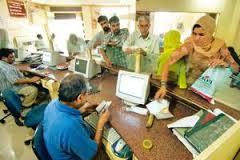


 Jalandhar-based Capital Local Area Bank (CLAB) is set to become India’s first small area finance bank (SFB) by commencing its operations on April 13, 2016. CLAB is the first among the 10 applicants to get final licence from the RBI. The lender is currently active as local area bank.
The small bank will launch the operations under a new name — Capital Small Finance Bank Limited and its launch will coincide with the auspicious festival of Baisakhi (the beginning of rabi harvest that gives a major boost to rural spending) in Punjab.

RBI had given its nod for setting up small finance banks on November 27, 2014. Apart from CLAB, the others who have received RBI’s approval to start SFB include Au Financiers, and eight microfinance institutions including Janalakshmi Financial Services.

The transition from local area bank to small area finance bank would be smooth as the bank had been into lending to the small-ticket borrowers for the past 15 years, said Sarvjit Singh Samra, Managing Director of CLAB.“We will embark on the new journey with the only difference of having a freedom to open branches anywhere in India.” He said the bank would grow its business from Rs 3,000 crore as on March 31, 2016 to Rs 11,800 crore by March 2021.
“The target is to increase the branch network from 49 to 216. Earlier, our operations were restricted to only five districts of Punjab. After getting RBI’s licence, the geographical barriers would be removed.”

Till now, CLAB’s focus has been to address the gap between demand and access to institutional credit for Punjab’s small borrowers in agriculture and retail segments. Repayments without any defaults from these segments have helped the bank flourish in a short span of time.
The bank had a net worth of Rs 116.68 crore as on December 31, 2015, and is projected to touch Rs 120 crore by March 31, 2016. This is against the minimum requirement of Rs 100 crore of net worth laid down by RBI for the small finance bank.
“We will focus on Punjab in the first year. In the second year, we plan to expand to Haryana and Rajasthan and thereafter, to other northern states such as Uttarakhand, Himachal Pradesh, and Delhi,” said Samra.
“Since we have already invested in the technology required to meet the challenges in retail banking, our investments to support the expansion would be modest. We might hire 200 persons in the first year to add to the existing 700 employees. Customers connect to the local staff spontaneously and this helps in rapid growth of business.”
CLAB has been able to maintain current and savings account ratio of 35 per cent, keeping the cost of funds low for the bank. CLAB earned a gross profit of Rs 16 crore and a net profit of Rs 9.9 crore during April-December 2015-16.
CLAB was launched in January 2000 and started its operations from Nakodar in Jalandhar district. While the Doaba belt of Punjab is known for its affluent client base as a large number of people from these pockets are settled in different parts of the world, CLAB has been to exploit the small-ticket loan segment.
Nearly 60 per cent of the loan portfolio of the bank consists of lending of under Rs 25 lakh. Retail borrowers, especially traders, are the key customer base and they have immaculate repayment record, says Samra, adding that the bank will continue to cater to small borrowers.