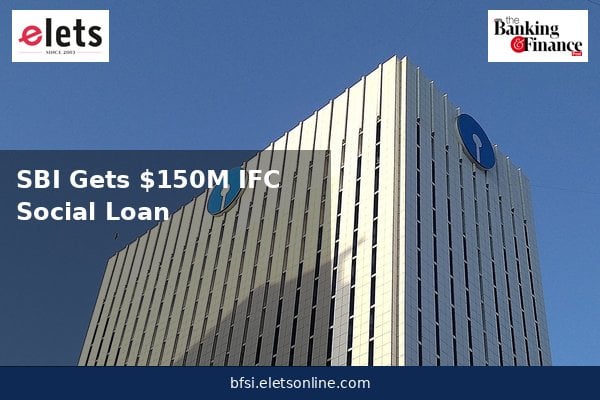


State Bank of India (SBI) and the International Finance Corporation (IFC) on 6 November 2026 announced an expanded partnership that includes a USD 150 million social loan to SBI. The money will fund agricultural and allied credit for about 8.64 lakh rural women, and it is IFC’s first line of credit to a public sector bank in India.
The announcement also confirmed the first cross-currency swap executed under a recently signed ISDA Master Agreement between the two institutions, making SBI the World Bank Group member’s first domestic swap counterparty in India. The deal comes days after SBI reported a 14.28% rise in Q2 net profit to ₹23,038 crore on strong loan growth.

How the SBI IFC social loan will be used
According to the joint statement, up to 90% of the financing will go to women borrowers through Self-Help Groups (SHGs). The rest will fund women entrepreneurs who graduate to individual Micro Enterprise Loans under SBI’s Svayam Siddha Scheme.

- Borrowers covered: women in crop cultivation, animal husbandry, fisheries and food processing.
- Channel: SBI’s SHG lending book, with a route for members to move to individual enterprise loans.
- Programme link: the loan aligns with the World Bank Group’s AgriConnect programme for women in agricultural value chains.
SHG-linked credit has long been one of the main routes for formal finance to reach rural women, a theme Elets has examined in the role of self-help groups in access to credit. The timing also matters because some lenders have been reining in rural lending in drought-hit districts, which makes long-tenor funding for farm credit more valuable.
Why the rupee swap matters for IFC and SBI
The swap line lets IFC raise long-term Indian rupee funding for private sector investments while limiting foreign exchange risk for borrowers in infrastructure, agribusiness and financial services. IFC said it has raised ₹30,040 crore (about USD 3.7 billion) through the US dollar-Indian rupee cross-currency swap market over the past three years.

Roshika Singh, Principal Country Officer, IFC, said SBI can extend capital to places IFC cannot reach alone, from rural SHGs to the rupee markets that fund private sector growth. Satyendra Kumar Singh, Deputy Managing Director, SBI, said the tie-up will widen financial access for women-led SHGs and rural entrepreneurs and strengthen long-term rupee financing in domestic markets.
What it means for women-focused lending in India
IFC has backed women-focused credit in India before, including its USD 400 million commitment with Bajaj Finance for EV finance and women borrowers. The SBI deal is the first time it has taken that approach with a state-owned bank, using SBI’s rural branch reach. It also builds on the shift toward wider credit access for women entrepreneurs.
Key takeaways
- IFC is lending USD 150 million to SBI, its first credit line to an Indian public sector bank, to reach about 8.64 lakh rural women.
- Up to 90% flows through SHGs, and the rest funds Micro Enterprise Loans under SBI’s Svayam Siddha Scheme.
- The first cross-currency swap under the new ISDA agreement makes SBI IFC’s first domestic swap counterparty in India.
More on the partnership is available from IFC in South Asia and State Bank of India.
Featured image: SBI headquarters in Mumbai. Photo: Digamber, Wikimedia Commons (CC0).