




India’s private sector banks are falling behind their state-run peers in delivering credit under three of the government’s flagship schemes for micro-entrepreneurs, street vendors and traditional artisans. A government review of performance in the first half of FY27 (April–September 2026), reported by Mint on 26 October, shows wide gaps between the two groups in loan disbursement, application sanctions and the settlement of interest-subvention claims under the Pradhan Mantri Mudra Yojana (PMMY), PM SVANidhi and PM Vishwakarma.
Mudra: private lenders at a quarter of their targets
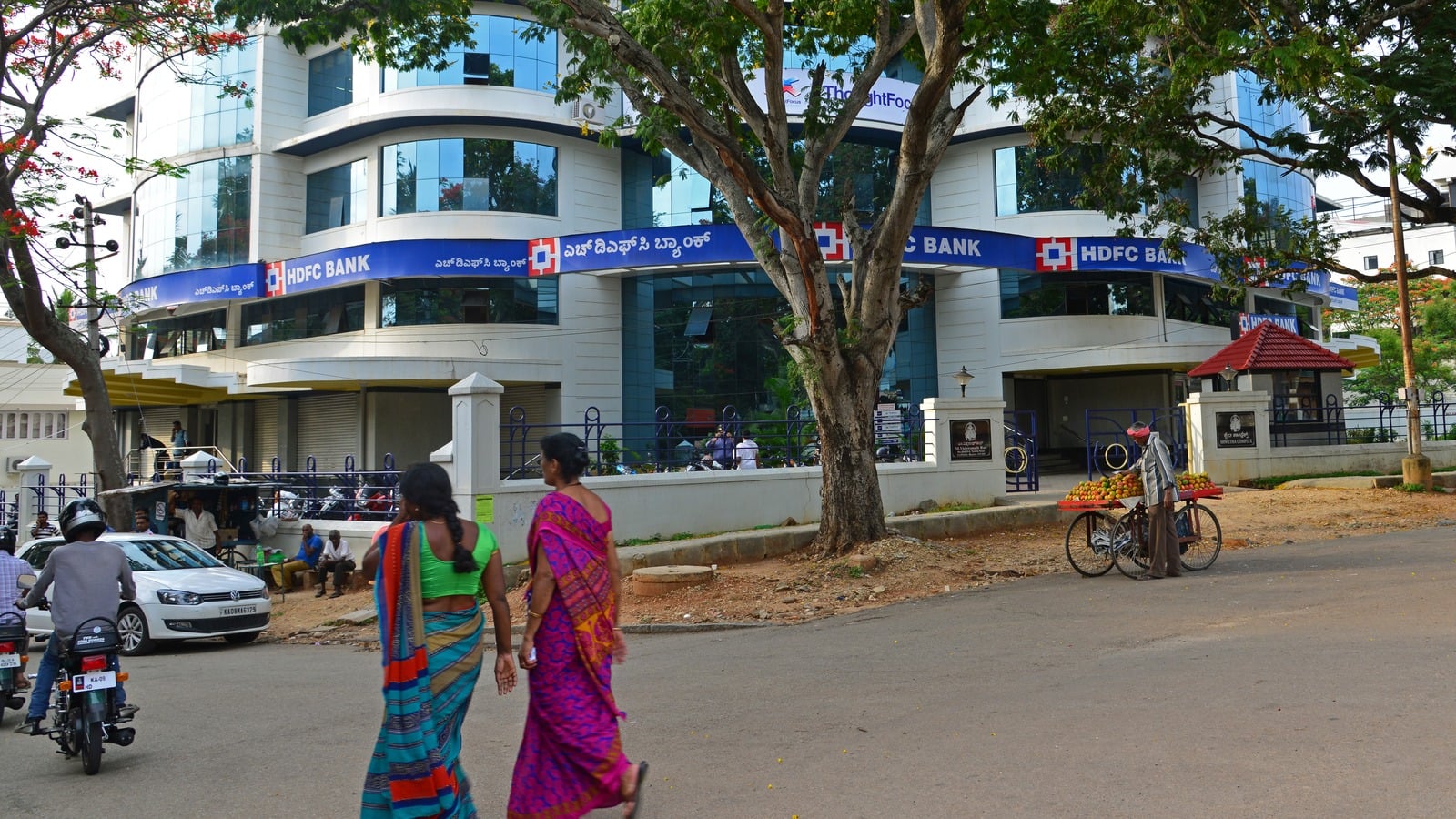
Under PMMY, which offers collateral-free loans to small and micro businesses, several large private lenders — including HDFC Bank, Yes Bank, IDBI Bank and Federal Bank — had achieved only about 24% to 30% of their full-year disbursement targets by the end of September. Public sector banks, by comparison, were tracking between roughly 32% and 56% of their goals at the halfway mark.

Bank of India was among the strongest performers, reaching about 56% of its ₹16,200 crore annual Mudra target, while State Bank of India, the largest lender under the scheme, disbursed close to ₹27,976 crore during the period.

Street vendors and artisans see a wider gap
The divide is sharper in schemes aimed at the informal workforce. Under PM SVANidhi, which provides working-capital loans to street vendors, public sector banks sanctioned around 74% of applications received, compared with roughly 20% at private banks.
Under PM Vishwakarma, the scheme for artisans and craftspeople, state-run lenders sanctioned about 44% of processed applications against about 36% for private banks. Claims processing has also lagged: public sector banks cut their pending interest-subvention claims by about 39% by late September, while private lenders managed a reduction of around 14%, with some showing little progress.

Why private banks are slower
Part of the problem appears to be operational. Data mismatches between the government’s scheme portals and the core banking systems of some private lenders have reportedly slowed reconciliation of applications and subsidy claims. Analysts also point to a more cautious risk appetite at private banks for small-ticket, largely unsecured loans to borrowers with thin credit histories — the very segment these schemes are designed to serve.
PSU banks, on the other hand, carry a larger rural and semi-urban branch network and have historically been the main delivery channel for government-sponsored credit programmes.
Finance Ministry has already pushed for more
The findings follow a review meeting chaired by Financial Services Secretary Sanjay Lohiya on 6 October, where the Department of Financial Services urged private banks to step up participation in PMMY, Stand Up India and other financial inclusion schemes. Lenders were asked to back a nationwide financial inclusion saturation campaign running from 21 October to 31 December 2026, expand digital outreach, and move towards end-to-end digital loan processing. Working-capital options such as credit lines on UPI and credit cards for micro-enterprises were also highlighted at the meeting.
What it means for the sector
For private lenders, the scheme scorecard adds a policy dimension to an otherwise strong Q2 season, in which most reported healthy profit growth driven by corporate and business banking. With the saturation campaign underway and the government closely tracking scheme-wise performance, banks lagging on targets may face closer scrutiny in the second half of the year.
For small borrowers, the gap matters more directly. Timely access to Mudra, SVANidhi and Vishwakarma loans is a key source of affordable working capital for millions of micro-enterprises, particularly as tighter monetary conditions push up borrowing costs elsewhere. How quickly private banks close the gap — through cleaner data integration, digital underwriting and wider partnerships — will be closely watched over the next two quarters.