





The Reserve Bank of India has issued the Reserve Bank of India (Domestic Money Transfer) Directions, 2026, consolidating the rules for small-value cash pay-in and cash pay-out services. The master direction, cited as RBI/DPSS/2026-27/476 and dated 11 November 2026, takes effect immediately. It applies to scheduled commercial banks, including regional rural banks, co-operative banks, and authorised payment system operators and participants, to the extent of the domestic money transfer services they offer.
The framework was originally designed to move small-value transfers, including those used by migrant workers without full proof of identity or address, onto formal banking channels. Transaction limits are unchanged, but registration, authentication and monitoring have been restated in a single direction. The consolidation sits alongside other recent RBI operating controls, including tighter API access rules for banks and NBFCs.

What the Domestic Money Transfer Directions allow
Under the cash pay-out service, a beneficiary can receive funds in cash up to ₹10,000 per transaction, subject to a monthly ceiling of ₹25,000 per beneficiary. For cash pay-in, a walk-in customer at a bank branch can remit up to ₹50,000 to a beneficiary’s account through NEFT. Transfers through business correspondents, ATMs and similar channels remain capped at ₹5,000 per transaction, with a monthly ceiling of ₹25,000 per remitter.

Remitting banks and business correspondents must register the remitter on a verified mobile number and a self-certified Officially Valid Document, as prescribed under the Know Your Customer Directions, 2025. Every transaction must be validated by an additional factor of authentication. The remitting bank must include the remitter’s details in the IMPS or NEFT message, together with an identifier that flags the transfer as a cash-based remittance. Card-to-card transfers are excluded and remain governed by the rules for those instruments.
Safeguards, charges and what has been repealed
Banks and non-banks must put in place velocity checks and alerts on credits made through these facilities, investigate unusual spurts in a particular account or group of accounts, and alert the appropriate authorities to suspicious transactions. Transfers are expected to be effected on a real-time or near-real-time basis, and inter-bank settlement must use only RBI-approved payment systems. Providers may levy reasonable charges. Customer grievances fall under the Reserve Bank – Integrated Ombudsman Scheme, 2026.

The new direction subsumes and repeals the 5 October 2011 circular on domestic money transfer relaxations and the 24 July 2024 circular that reviewed the framework. It also sits in a wider payments agenda that the Reserve Bank has been discussing with states, including programmable CBDC and direct benefit transfers, even as banks expand other remittance products such as cross-border corridors.
Key takeaways
- The Domestic Money Transfer Directions, 2026, took effect immediately on 11 November 2026 and consolidate the cash pay-in and pay-out framework.
- Limits are unchanged: cash pay-out of ₹10,000 per transaction and ₹25,000 a month per beneficiary; walk-in NEFT pay-in of ₹50,000; and BC or ATM pay-in of ₹5,000 per transaction and ₹25,000 a month per remitter.
- Remitters need a verified mobile number, a self-certified officially valid document and an additional factor of authentication, and the 2011 and 2024 circulars stand repealed.
FAQs
Have the rupee limits changed? No. The Direction restates the existing transaction and monthly ceilings. It does not raise or lower them.
The official text is on the Reserve Bank’s Master Directions page.
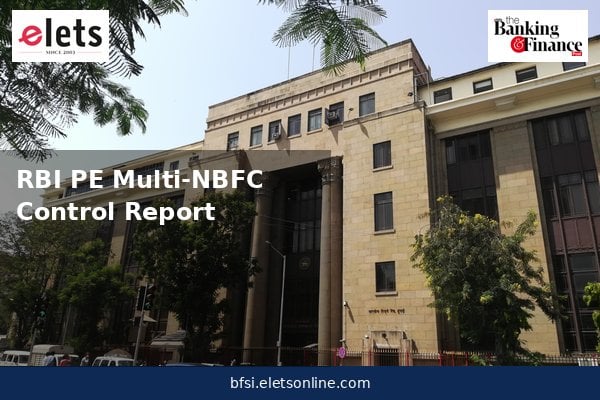
Featured image: Reserve Bank of India tower, Mumbai. Photo: Pinakpani, Wikimedia Commons (CC BY-SA 4.0).