

Pine Labs Limited expects to process ₹33,000–34,000 crore of monthly UPI gross transaction value (GTV) by FY28, according to an ICICI Securities report cited on 6 November 2026. The Noida-based payments company plans to deploy at least 1 million more UPI soundboxes at existing merchants, positioning itself for a possible UPI merchant discount rate (MDR).
UPI makes up 75–77% of transactions on Pine Labs’ point-of-sale (POS) terminals, with volumes growing about 68% a year over two years. More than 65% of the company’s UPI GTV comes from payments above ₹2,000, the band that would be covered by the NPCI framework for 0.4% MDR on UPI transactions above ₹2,000.

Why Pine Labs is adding UPI soundboxes
The Pine Labs QR soundbox push targets UPI flows the company is losing at its own counters. Management told analysts after the Q2 FY27 results that a retailer may use a Pine Labs POS terminal for 80–85% of payments while 10–20% still go through a rival soundbox beside it, as shoppers on busy days scan the visible QR code.

Pine Labs let that volume go while UPI earned nothing; possible MDR changes the maths. Key points from management:
- The rollout is aimed at existing merchants, not a new low-end merchant drive; 70–80% of recipients are expected to already have a Pine Labs card machine.
- Large-format retailers such as DMart, Trent and Shoppers Stop were named as the core base.
- A soundbox costs about ₹500–600, so device capex is not material; the bigger cost is sales and field staff.
- Management does not expect merchants to pay a monthly rental of about ₹125–130 on top of transaction fees; it prefers transaction-based revenue.
What UPI MDR could mean for Pine Labs
ICICI Securities has built ₹160 crore of UPI MDR revenue into its FY28 estimates. It projects FY28 EBITDA of ₹950 crore with MDR, against ₹800 crore without it, on revenue of ₹4,370 crore, and kept a buy rating with a ₹210 target price.

The upside is not certain. The final MDR design, exemptions and Pine Labs’ ability to pass charges on to large merchants will decide the take rate. CEO B. Amrish Rau said the company will count MDR income only after it is implemented. The framework’s go-live has been deferred, and NPCI is now defending the UPI MDR framework before the Supreme Court. The NPCI MDR FAQ sets out the 0.4% rate and the ₹300 cap on eligible P2M payments of ₹75,000 and above.
How the wider Pine Labs business is growing
Pine Labs’ digital infrastructure and transaction platform processed ₹4.3 lakh crore of GTV in Q2 FY27, up 5% year on year. It recently partnered with Stripe on unified commerce for Singapore retailers. It still expects at least a 21% EBITDA margin for the full year despite heavier sales hiring.
Why it matters for India’s UPI market
UPI hit a record 25.47 billion transactions in October 2026, while P2M payments have carried zero MDR since January 2020. Pine Labs’ plan shows how listed and IPO-bound payment firms, including Razorpay after its SEBI nod for an IPO, are preparing to monetise high-value UPI payments if MDR takes effect.
Key takeaways
- Pine Labs targets ₹33,000–34,000 crore of monthly UPI GTV by FY28, per ICICI Securities.
- It will place at least 1 million more soundboxes at existing merchants to win back 10–20% of UPI payments going to rival devices.
- ICICI Securities sees ₹160 crore of FY28 MDR revenue, lifting EBITDA to ₹950 crore from ₹800 crore.
Frequently asked questions
Will Pine Labs charge merchants a monthly soundbox rental?
Unlikely. Management said it does not expect merchants to pay both a rental and transaction charges.
Is UPI MDR in effect now?
Not yet. NPCI’s 0.4% MDR framework has been deferred and is under challenge in the Supreme Court.
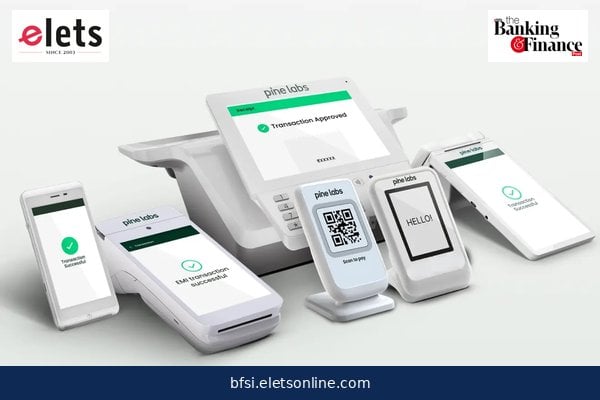
Featured image: Pine Labs POS terminals and a QR soundbox. Photo: Pine Labs