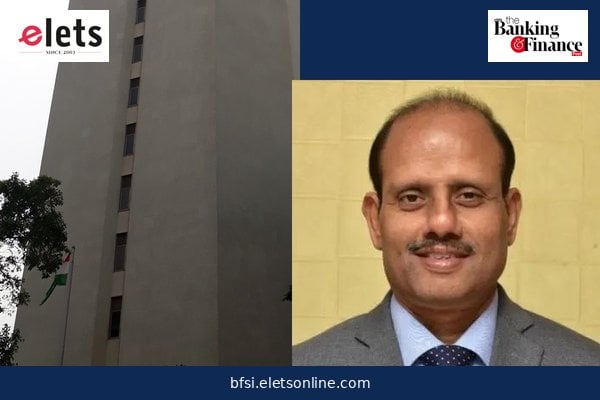


The Reserve Bank of India (RBI) has asked banks to speed up credit to micro, small and medium enterprises (MSMEs) and lean less on collateral by using cash-flow-based lending through the Unified Lending Interface (ULI) and other digital channels. Deputy Governor Swaminathan J made the call while chairing the 31st meeting of the Standing Advisory Committee (SAC) on MSME credit in Kolkata on 27 November 2026.
What did the RBI tell banks about MSME lending?
According to the RBI press release, the Deputy Governor urged banks to:
- Expedite credit sanctions for MSMEs.
- Reduce reliance on collateral by shifting to cash-flow-based lending, using ULI and other digital channels.
- Make greater use of the Trade Receivables Discounting System (TReDS) for receivables financing.
- Identify and resolve stress in MSME accounts early.
He also invited MSME industry associations to take part in outreach events such as RBI town halls and district-level MSME SAMVAAD meetings, so that their members’ concerns reach banks directly.

Why does ULI matter for cash-flow lending?
ULI is the RBI’s digital public infrastructure for credit. It lets lenders pull consented data, such as GST, land and account records, from multiple sources through standard APIs, so a loan can be assessed on a business’s actual cash flows rather than only on property or other security. Elets BFSI covered the national launch of ULI to bridge the MSME credit gap, and Governor Sanjay Malhotra has since urged states to onboard their data onto ULI.
Lenders are already building on this shift. State-owned SIDBI, for instance, recently adopted an AI lending CRM to unify MSME loan leads.
What did the committee review?
The SAC reviewed working capital and investment credit to MSMEs, lending to first-time borrowers and credit guarantee coverage. It also discussed:
- The higher limit for collateral-free loans to micro and small enterprises.
- Settlement of central public sector enterprise (CPSE) invoices through TReDS.
- Key provisions of the MSMED (Amendment) Act, 2026.
TReDS platforms have been growing fast. TReDS volumes jumped 36% as MSMEs sought festive capital, and operator M1xchange is looking to take India’s TReDS model to Russia and Brazil.
Who attended the meeting?
Participants included the Additional Secretary and Development Commissioner of the Ministry of MSME, and the Joint Secretary of the Department of Financial Services, Ministry of Finance. Managing directors and executive directors of select banks attended. So did the heads of SIDBI, NABARD, CGTMSE, NCGTC and KVIC, the Chief Executive Officer of the Indian Banks’ Association, and representatives of national, regional and state-level MSME associations.
What it means for banks
The message from the regulator is that MSME lending should move from collateral-led to data-led underwriting. For banks, that means plugging ULI data into credit decisions, routing more receivables finance through TReDS, and using early-warning systems to catch stress before accounts slip. Lenders that digitise these steps can sanction loans faster and reach first-time borrowers who lack security to pledge.