

Sahamati, the self-regulatory organisation for India’s Account Aggregator (AA) network, has defended the account aggregator fees that take effect on 1 December 2026, after small-ticket lenders warned that a uniform charge for every data fetch could squeeze margins on loans of ₹10,000 to ₹50,000. Chief Executive BG Mahesh told Moneycontrol on 25 November 2026 that the rate card will be reviewed six months after launch.
The pricing ends the free run that helped the network scale. It was first due on 1 November, before Sahamati deferred the account aggregator pricing model to 1 December after requests from participants during the festive season.
What the new account aggregator fees cost lenders
Under the framework, Financial Information Users (FIUs) such as banks, NBFCs and fintech lenders pay a standard fee each time they successfully pull a customer’s data. The fee has three parts: a digital public infrastructure fee for the AA, a fee for the Financial Information Provider (FIP), usually the bank holding the data, and an ecosystem management fee for Sahamati.

- A 13-month bank statement costs ₹8.64 to ₹9.60 per account, before GST.
- A seven-month statement costs ₹5.88 to ₹6.55 per account, before GST.
- Fetching two or three accounts for one applicant can cost about ₹23 to ₹34 including GST.
- The standard fee does not replace what lenders already pay technology service providers (TSPs) for integration.
Why small-ticket lenders are worried
Lenders in the small-loan segment run on thin margins and short tenures, and they screen many applicants for every loan they disburse. Jatinder Handoo, Chief Executive of the Unified Fintech Forum, said lenders may evaluate eight to ten applications to make one loan, which turns data-fetch charges into a meaningful part of acquisition and underwriting costs. He said a wider consultation across ticket sizes could have produced a more balanced structure.
Some lenders said the extra cost could eventually reach borrowers through higher interest rates on small loans, a concern for digital lending to underserved borrowers.
How Sahamati is answering the pushback
Mahesh said the model came out of a three-year process led by an Economic Model Committee set up in October 2023 under Sahamati’s governing council, and was not a unilateral decision. Banks agreed to share data free at the start so the network could gain traction, but there was never a promise to keep it free, he said, since FIPs also bear the cost of delivering data.
The committee will study industry feedback six months after launch and may revise the pricing. Mahesh added that Sahamati’s own share would come down if the organisation became highly profitable, a commitment he said has been given to the regulator in writing. Sahamati raised ₹50 crore from more than 30 financial institutions in April 2026 after years of relying on grants.
What it means for India’s AA ecosystem
The fee reset lands in the same week that participants must meet the account aggregator interoperability deadline of 1 December. For banks, it creates a predictable revenue stream for data they have long shared without payment. For TSPs, revenue will now depend on integration, data routing, consent conversion and analytics rather than a share of fetch fees.
Mahesh also stressed that AA data is used beyond lending, in insurance, investments and pensions. The network had about 207 million users, and Nandan Nilekani has argued it needs a sustainable economic model to reach 500 million. Lenders are already rethinking underwriting, as seen in the shift beyond credit scores in digital lending. Details of the framework are on the Sahamati website.
Key takeaways
- Standard AA data-fetch fees start on 1 December 2026, paid by lenders and other FIUs.
- Small-ticket lenders say per-fetch costs could hurt loan economics and lift borrower rates.
- Sahamati says the pricing will be reviewed six months after rollout.
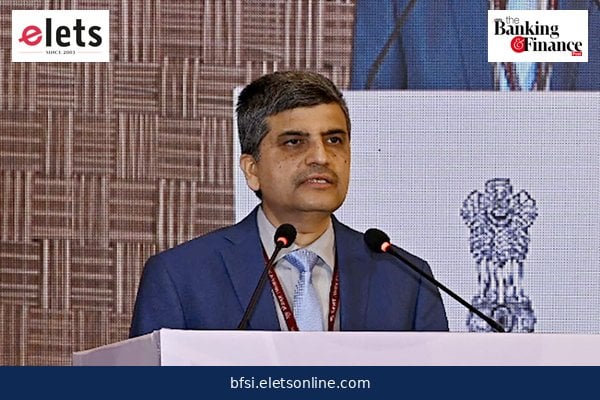
Featured image: BG Mahesh, Chief Executive, Sahamati. Photo: Moneycontrol