

Sberbank, Russia’s largest lender, is looking to partner with India on artificial intelligence, from joint software development and research to training specialists, First Deputy Chairman Alexander Vedyakhin said on 27 November 2026. The bank says AI already clears 90 per cent of its Russia-India cross-border payments in under 10 minutes.
The outreach comes as Sber widens its presence in India, including its technology infrastructure in Bengaluru, and as Indian banks themselves step up AI use, a trend captured in a recent McKinsey report on GenAI use in Indian banking.
What Sberbank wants from an AI partnership with India
Vedyakhin said India is of particular interest because of its strong IT industry, its large pool of qualified specialists and its own goals for the digital transformation of the economy. He said the bank is already expanding Sber’s presence in the country through its Bengaluru technology set-up.

According to Vedyakhin, a collaboration could cover:
- Joint development of software solutions
- Application of AI in financial services
- Development of robotics
- Exchange of expertise and training of specialists
The lender said it is open to sharing scientific and engineering expertise and to joint research on new ways to apply these technologies. Sber is building its own GigaChat family of AI models and refining products for business, the financial sector and robotics, the bank said in a statement reported by PTI.
How AI is speeding up Russia-India payments
Vedyakhin said Sber already uses AI to process cross-border payments between Russia and India. Today, 90 per cent of these payments are completed in less than 10 minutes, compared with one to two days as recently as 2022.
Transfers from Russia to India rose 40 per cent between January and October 2026 compared with the same period in 2025, the bank said. Sber has also added Indian languages, including Hindi, to its online transfer service to make it easier to use.
Speed and cost in outward and inward transfers remain a live issue for Indian banks and regulators, as seen in the recent debate over RBI’s ₹25 lakh cap on cross-border payments and bank tie-ups such as IndusInd Bank’s use of Mastercard Move for outbound remittances.
What comes next for AI in cross-border banking
The next step, Vedyakhin said, is to further automate foreign exchange controls and document processing. He said AI agent systems will eventually be able to interact with one another, helping companies find partners faster, negotiate terms and manage transactions.
Sber’s link with Indian banking is not new. In 2022, State Bank of India was reported to be working with Russian banks to open rupee trade, and bilateral settlement has grown since.
Why it matters for Indian BFSI
For Indian lenders and technology firms, the move signals foreign banks looking at India as an AI development base as well as a market. It also comes as Indian banks report productivity gains of up to 50 per cent from AI deployments. Any partnership would still need to fit India’s rules on outsourcing, data localisation and cross-border transactions.
Key takeaways
- Sberbank is seeking AI collaboration with India on software, financial-services AI, robotics and skills.
- AI now clears 90 per cent of Sber’s Russia-India transfers in under 10 minutes, down from one to two days in 2022.
- Russia-to-India transfers rose 40 per cent in January to October 2026 from a year earlier.
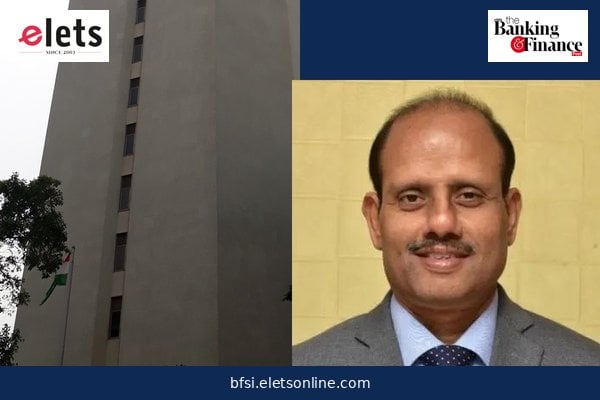
Featured image: Alexander Vedyakhin, First Deputy Chairman of the Executive Board, Sberbank. Photo: Vesan99 via Wikimedia Commons (CC BY-SA 4.0)