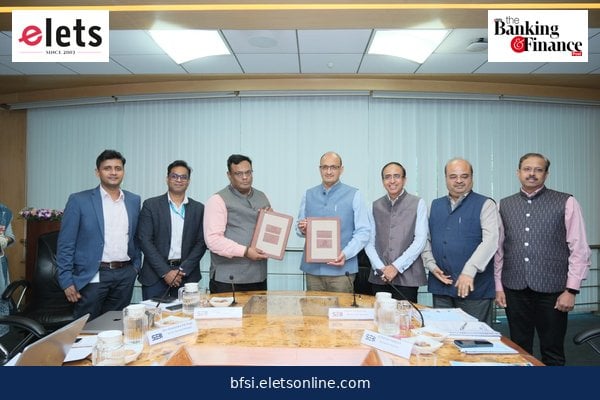


The Securities and Exchange Board of India (SEBI) signed a Memorandum of Understanding (MoU) with the Digital India BHASHINI Division (DIBD) in Mumbai on 3 November 2026. The SEBI BHASHINI MoU lets the market regulator use BHASHINI’s AI language tools to offer its services in regional Indian languages, and comes into force immediately.
The agreement was signed by Amitabh Nag, Chief Executive Officer of DIBD, and Sandip Pradhan, Whole Time Member of SEBI, in the presence of senior officers from both organisations, the regulator said in a press release (PR No. 68/2026). It follows the regulator’s recent push on inclusive access, including the extended digital accessibility deadline for regulated entities.

What the SEBI BHASHINI MoU covers
According to SEBI, the MoU gives the regulator access to BHASHINI’s language translation APIs, models and tools. These include:

- Automatic Speech Recognition (ASR), which turns spoken words into text
- Text-to-Speech (TTS), which reads text aloud
- Machine Translation between Indian languages
- Optical Character Recognition (OCR), which reads text from scanned documents and images
SEBI said the tools will help people reach its services in regional languages. Its announcement graphic said the aim is access in multiple languages recognised under the Eighth Schedule of the Constitution of India.
A two-way deal on securities market terminology
The MoU is not only about SEBI using the tools. It will also help improve BHASHINI’s language models with securities market terminology, so that terms used in investing, trading and market regulation are translated more accurately. SEBI described the MoU as the beginning of enhanced cooperation between the two bodies.

DIBD is an independent division of the Digital India Corporation, a Section 8 not-for-profit company set up by the Ministry of Electronics and Information Technology (MeitY). BHASHINI, short for Bhasha Interface for India, is a Government of India initiative that uses AI for real-time translation and voice services across Indian languages.
Why it matters for investors and BFSI firms
Regional-language access could help first-time investors from smaller towns understand risk disclosures, scam warnings and complaint routes without relying on intermediaries.
Financial firms have already used BHASHINI for customer service. Federal Bank, for instance, tied up with BHASHINI to give its chatbot Feddy vernacular language support, while start-ups such as Navana.ai are scaling voice AI for BFSI in Indian languages. A regulator-backed glossary of securities terms could make such tools more reliable across the sector.
Key takeaways
- SEBI and the Digital India BHASHINI Division signed an MoU on 3 November 2026, effective the same day.
- SEBI will use BHASHINI’s ASR, TTS, machine translation and OCR tools to offer services in regional Indian languages.
- BHASHINI’s language models will be enhanced with securities market terminology.
FAQ
Who signed the SEBI BHASHINI MoU?
Amitabh Nag, CEO of the Digital India BHASHINI Division, and Sandip Pradhan, Whole Time Member of SEBI, signed it on 3 November 2026.
What will change for investors?
SEBI plans to make its services accessible in regional Indian languages using BHASHINI’s translation, speech and OCR tools. SEBI has not yet announced which services will be translated first.
Featured image: SEBI and Digital India BHASHINI Division officials exchange the signed MoU. Photo: SEBI (@SEBI_updates on X), official handout.