



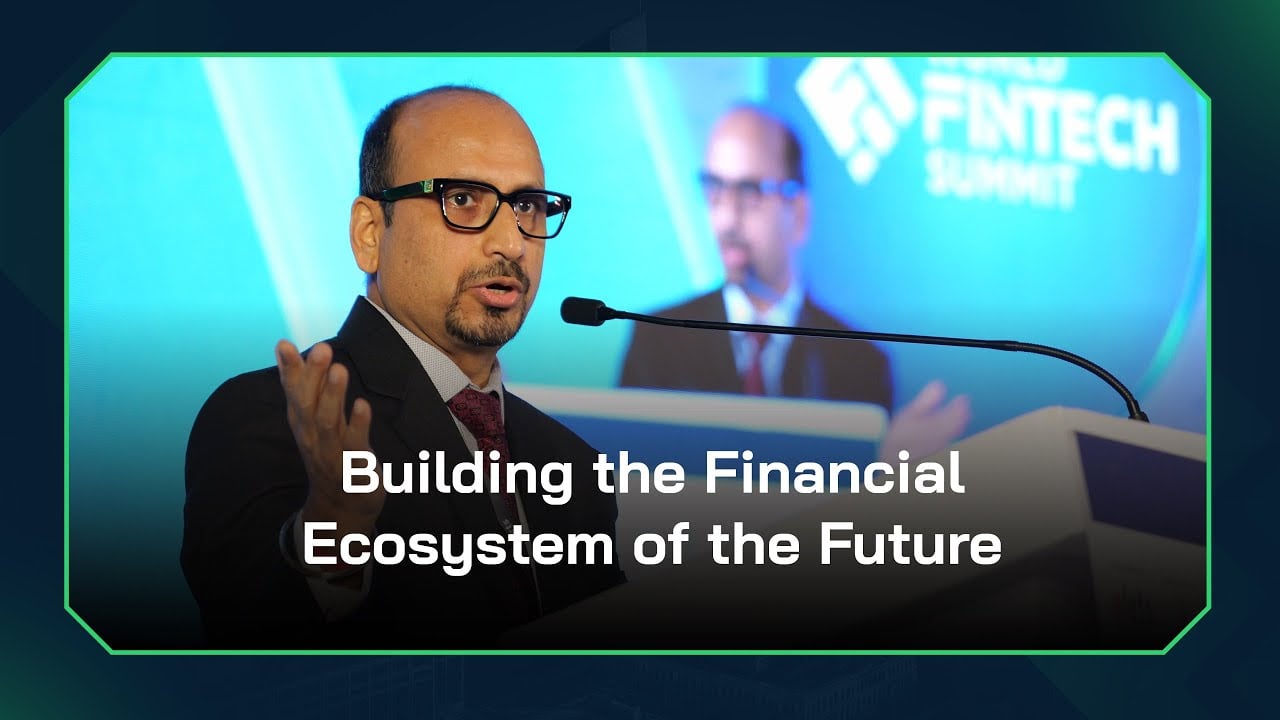


India’s fintech revolution is gathering momentum with significant contributions from Bengaluru, the Silicon Valley of India, and the state of Karnataka. In recent years, the country has seen rapid technological and financial evolution, from foundational infrastructure like Aadhaar and Jan Dhan Yojana to the unprecedented success of Unified Payments Interface (UPI). These innovations are not only transforming digital transactions but also laying the groundwork for a financially inclusive and empowered nation. This blog explores how Bengaluru plays a key role in shaping the financial ecosystem of the future and what lies ahead for India’s booming fintech landscape.
Understanding the Broader Outlook of the Indian Economy

India is uniquely positioned to become both the factory and office of the world. With increased trade, a flourishing offshoring sector, and an expanding middle class, the financial landscape is brimming with potential. The rise in per capita income is not only creating more affluent consumers but also lifting millions from the lower-income bracket into the middle class. Between FY26 and FY31 alone, India’s middle-income population is projected to grow by 134%, which means an enormous increase in demand for financial services and products.
The Role of Banks in Building the Financial Ecosystem

Banks are essential players in the transformation of the financial sector from a traditional, branch-centric approach to a more agile, customer-centric ecosystem. With over 90 banks employing millions, the Indian banking sector is strongly supported by the Reserve Bank of India, a proactive regulator that encourages innovation while maintaining financial stability. The future of banks lies in open banking and ecosystem integration, enabling seamless access to services such as lending, investment, and real-time payments.

For example, instead of merely offering deposit accounts or loans, future-forward banks can integrate themselves into specific communities. Take a district like Shivamogga in Karnataka. A farmer here could benefit more from a bank that advises on crop selection, provides weather updates, offers bridge loans aligned with the sowing season, and assists with equipment financing. This is the new face of banking—embedded in the ecosystem and built on collaboration rather than transactions.

Digital Disruption: A Game-Changer in Fintech
India accounts for nearly 49% of global real-time digital payments, largely fueled by innovations like UPI and Aadhaar-backed services. With over 12,000 fintech firms and valuations exceeding $150 billion, Bengaluru remains at the epicenter of this technological shift. Its rich pool of tech talent and startup-friendly environment ensure that the city is not just a national leader but a global influencer in fintech innovation.
More importantly, this wave of digital disruption is transforming the backend of financial systems—aggregated accounts, digital health records, and AI-powered financial tools are enabling banks and fintech companies to offer personalized, efficient, and secure services. These changes signify a shift from financial inclusion to financial empowerment.
From Inclusion to Empowerment
Financial inclusion efforts like Jan Dhan have brought millions into formal financial systems. However, inclusion alone isn’t enough. True progress lies in financial empowerment—equipping individuals with the tools and knowledge to build and grow wealth. Currently, urban and metro areas still account for 80% of the country’s financial assets and deposits, leaving rural and semi-urban areas underserved.
Take Bandhan Bank’s transformative work rooted in microfinance. One woman started with a loan of just ₹8,000 to sell tea from a kettle. Today, she runs a full-fledged restaurant, owns a three-bedroom house, and has two children pursuing higher education. Another customer received a ₹25,000 loan years ago and now fulfills a ₹35 crore contract from the Singapore government, employing more than 400 people—most of them women. These inspiring stories showcase the real impact of small financial interventions powered by technology and deep community integration.
Reimagining Credit with Technology
The traditional credit evaluation systems leave out many genuine and capable individuals. By leveraging AI, ML, and alternative data sources, fintech can revolutionize credit underwriting. This approach would identify creditworthy individuals like micro-entrepreneurs, who may not have formal income records but exhibit strong repayment behavior, resilience, and a clear vision.
Cybersecurity: A Critical Component in Digital Finance
As digital adoption grows, so do cybersecurity risks. In the last year alone, frauds worth ₹42,000 crores were reported, marking a 27% increase. Criminals exploit both systemic vulnerabilities and individuals’ lack of digital literacy. A collaborative approach involving banks, law enforcement, fintech firms, and government bodies is necessary to establish a secure financial ecosystem. Real-time transaction monitoring, public awareness, and proactive risk mitigation are essential in safeguarding user trust.
The Future: A Collaborative, Inclusive, and Sustainable Ecosystem
The future of finance lies not in isolated banking services, but in creating an open network where banks serve as orchestrators of financial ecosystems. Embedded finance will become the standard, deeply integrating with users’ lives and needs. Personalization, trust, and sustainability will drive customer relationships, with a focus on data security, transparency, and equitable growth.
Environmental responsibility will also shape banking practices. The banking sector will lean into sustainable financing solutions that benefit both people and the planet. This vision demands cohesive collaboration between banks, fintech companies, regulatory authorities, and tech players.
Conclusion: Powering India’s Fintech Future From Bengaluru
The fintech revolution in India is about more than just digital transactions—it’s about economic transformation. Bengaluru stands at the forefront, contributing not only with world-class technology but also as a thought leader in creating an inclusive, agile, and resilient financial future. By focusing on financial empowerment, cybersecurity, and technological innovation, we can build a system that leaves no one behind.
As Helen Keller rightly said, “Alone we can do so little. Together we can do so much.” Now is the time to unite our efforts and propel India into a new era of financial inclusion, resilience, and empowerment.