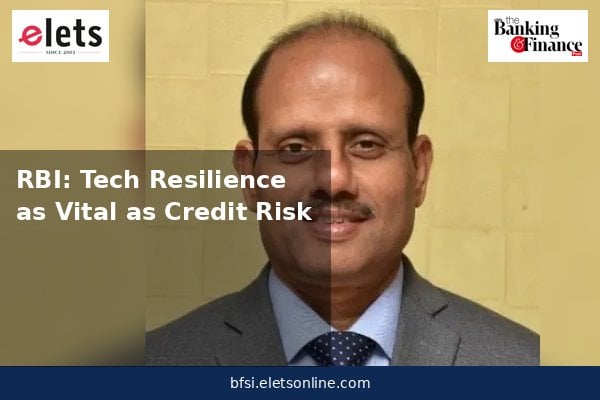


Bank of Baroda will push its technology and cybersecurity spending above its long-standing cap of 10% of operating profit after a July 2026 cyber incident involving a compromised employee email, MD and CEO Dr Debadatta Chand said on 1 November 2026. Some of the extra spending falls in FY27 and some in FY28.
Chand called the July incident a “huge wake-up call” for the state-run lender. The bank has strengthened its defences across technology, people and processes, a pattern now visible across the sector as lenders respond to the RBI’s tighter cyber checks on banks and their fintech and NBFC API links.

Bank of Baroda cybersecurity spend: what changes
For many years, Bank of Baroda has kept total technology spending, covering capital investment and operating costs, within 10% of operating profit and built its annual budgets around that limit. Chand said spending will now go above that level, though it is too early to put a number on the increase. The bank expects to disclose the scale of the higher outlay after December 2026.

According to Chand, the additional spending covers:
- Building a stronger security culture among employees, since the July breach began with a compromise at the people end
- Upgrading software versions and internal processes
- Tighter user access management, with multiple checks before anyone can log on to a system
- An external consultant engaged to upgrade the bank’s security processes
The bank is also working closely with government agencies, including the Indian Computer Emergency Response Team (CERT-In), to bring its defences on par with global best practice, Chand told PTI.

Why a people-led breach is reshaping bank tech budgets
The Bank of Baroda incident shows that the weakest point is often an employee inbox rather than core banking software. That puts identity and access controls, phishing resistance and staff training on the same footing as firewalls and monitoring tools. Bank of Baroda has already been building its technology bench, including the appointment of Rakesh Nema as Chief Technology Officer in August 2026.
Its peers are moving in the same direction. State Bank of India recently opened the CyRIS cybersecurity centre of excellence, while the Indian Banks’ Association is working on an industry platform for cyber incident sharing and an AI sandbox. Insurers are seeing the cost too, with bank cyber insurance claims crossing ₹150 crore.
Other signals from Bank of Baroda’s leadership
Chand said the ₹840 crore of fresh slippages in the agriculture portfolio cannot be attributed to weather, and that gross NPAs improved across segments, including agriculture, in the September quarter. The bank will watch the impact of El Niño on rural borrowers from the December quarter.
The bank’s life insurance subsidiary is a potential divestment candidate, but a decision needs at least a year of business improvement and depends on market conditions and valuations. In the meantime, Bank of Baroda will focus on recoveries from written-off accounts and use the write-backs to build buffers before expected credit loss (ECL) provisioning begins on 1 April 2027.
Key takeaways
- Bank of Baroda’s technology and cyber spending will exceed its usual cap of 10% of operating profit, with costs spread across FY27 and FY28.
- The July 2026 breach came through a compromised employee email, so the bank is putting money into security culture and access controls as well as software.
- The bank is working with CERT-In and an external consultant, and will disclose the size of the increase after December 2026.
FAQ
Why is Bank of Baroda raising its cybersecurity spending?
A July 2026 cyber incident involving a compromised employee email exposed gaps at the people and access-control level, which MD and CEO Debadatta Chand called a huge wake-up call.
How much will Bank of Baroda spend on technology?
Total technology spending will go above 10% of operating profit. The bank has not given a figure yet and expects to share it after December 2026.
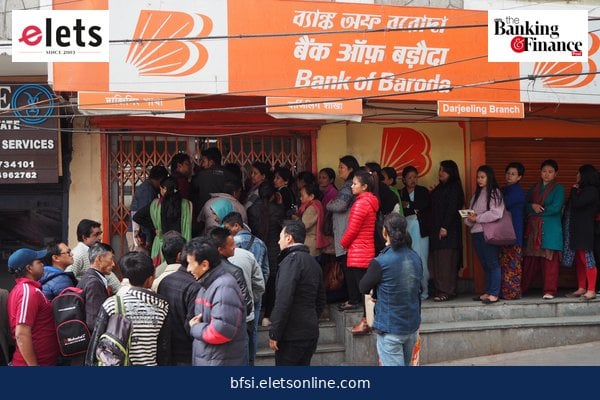
Featured image: Bank of Baroda branch in Darjeeling. Photo: Monito (www.monito.com) via Wikimedia Commons (CC BY 2.0)