

Credit card spending in India overtook ATM cash withdrawals for the first time in October 2026, according to Reserve Bank of India card data released on 25 November 2026. Cardholders spent a record ₹2.45 lakh crore on credit cards during the month, while cash withdrawn at ATMs using debit cards stood at ₹2.33 lakh crore.
The October total was up 20% from September and 14.3% from a year earlier. The figures come from the RBI’s ATM, POS and card statistics, and much of the jump came from festive e-commerce sales, which fell in October this year after running in September in 2025. The trend builds on September, when credit card additions hit 1.26 million, the second-highest of 2026.
What drove record credit card spends in October?
Online payments did most of the work. Online credit card spending rose 82.6% year on year, while spending at point-of-sale terminals in stores edged up just 0.5%.

- Total credit card spends: ₹2.45 lakh crore, an all-time high
- ATM cash withdrawals via debit cards: ₹2.33 lakh crore
- Online share of credit card spends: nearly 63%, up from 58.6% a year ago
- Credit card transaction volume: up almost 32% year on year
- Average ticket size: down 13.3% to ₹3,585
Transaction volumes grew faster than value, which means people are using cards more often for smaller purchases. Credit cards linked to UPI are a likely factor, as products such as the Paytm and AU Small Finance Bank RuPay credit card with UPI rewards push card credit into everyday QR payments.
Which banks led credit card spends and additions?
Banks added 14 lakh new credit cards in October, taking the total base to 12.67 crore, up 11.1% year on year. HDFC Bank kept the top spot with more than 28.6% of industry credit card spends, followed by State Bank of India, ICICI Bank and Axis Bank.
Month-on-month growth varied among the leaders. Spending on ICICI Bank cards rose 37%, SBI 31% and Axis Bank 30.5%, while HDFC Bank’s growth was more modest. Axis Bank led new issuance with 2.82 lakh cards, ahead of SBI and ICICI Bank, while HDFC Bank added just over 52,000 cards.
Why it matters for India’s payments market
The crossover marks a shift in how Indians pay: credit, mostly spent online, now moves more money each month than cash pulled from ATMs. It also strengthens the case for card issuers and fintech partners building new co-branded products, such as the YES BANK and novio dual Mastercard-RuPay credit card, aimed at digital-first users.
The fall in average ticket size is the key number to watch. If UPI-linked credit keeps pulling small payments onto cards, issuers will gain volume, but they will also need tighter risk controls as more first-time borrowers use revolving credit for daily spending.
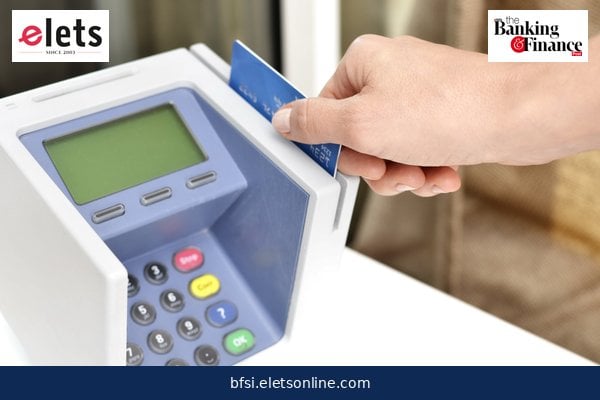
Featured image: A customer paying with a credit card at a card payment terminal. Photo: Hloom Templates via Wikimedia Commons (CC BY 2.0)