

The Reserve Bank of India (RBI) on 27 November 2026 issued the Reserve Bank of India (Cash Withdrawal Transactions through Automated Teller Machines and Point of Sale Terminals) Directions, 2026, folding 17 circulars issued between 2008 and 2022 into one rulebook. The directions keep five free ATM transactions a month at a customer’s own bank and the ₹23 cap on charges beyond that, and took effect immediately.
The ATM rulebook is part of a wider clean-up the same day, alongside the RBI card-based transaction directions and the White Label ATM Operators Directions, 2026.
What are the free ATM transaction limits?
The limits for savings bank account holders are unchanged:

- Own bank’s ATMs: five free transactions a month, counting both financial and non-financial transactions
- Other banks’ ATMs: three free transactions a month in metro centres and five in non-metro centres, with a combined cap of five
- Metro centres are Mumbai, New Delhi, Chennai, Kolkata, Bengaluru and Hyderabad
- Cash withdrawals at other banks’ ATMs are capped at ₹10,000 per transaction
Beyond the free limit, banks may charge up to ₹23 per transaction plus taxes, under a board-approved policy. Banks can offer more free transactions at their discretion.
New duty to alert customers
Banks must now put in place a way to caution or alert customers about how many free transactions they have used in the month and the charges that will apply after that. ATMs must show whether they sit in a metro or non-metro centre, through an on-screen message, sticker or poster, and banks must display withdrawal limits, free transactions and charges in English, Hindi and the local language.
Transactions that fail for technical reasons, such as hardware, software or communication faults, cash not being available, or declines attributable to the bank or service provider, cannot be counted as valid transactions or charged. Disputes on failed ATM transactions are settled between issuing and acquiring banks through the ATM network, a process that sits alongside NPCI’s revised UPI dispute rules on the payments side.
Cash at the counter: PoS and UPI withdrawals
The directions also cover cash withdrawal at merchant point of sale (PoS) terminals using debit cards, full-KYC prepaid payment instruments and UPI:
- Up to ₹2,000 per transaction, with a monthly limit of ₹10,000 across all centres
- Any customer charge capped at 1% of the amount
- No purchase required; when cash is taken with a purchase, the receipt must show the cash amount separately
Interoperable cardless cash withdrawal at ATMs, authorised through UPI, continues, with settlement through the National Financial Switch or ATM networks.
Why it matters for banks and fintechs
Cash use is slipping as cards and UPI grow; in October 2026 credit card spends overtook ATM withdrawals for the first time. A single text for ATM and PoS cash rules gives banks, ATM network operators and PoS acquirers one reference for charges, disclosures and dispute handling, while the new alert duty means banks will need to update customer messaging systems.
FAQ
How many free ATM transactions do I get under the new RBI rules?
Five a month at your own bank’s ATMs, and three (metro) or five (non-metro) at other banks’ ATMs, with a combined cap of five.
How much can banks charge after the free limit?
Up to ₹23 per transaction plus applicable taxes.
Do failed ATM transactions count?
No. Transactions that fail due to technical issues, cash unavailability or reasons attributable to the bank cannot be counted or charged.
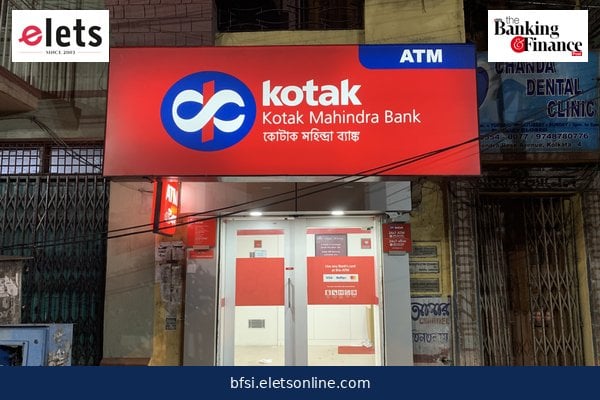
Featured image: Kotak Mahindra Bank ATM, Shyambazar, Kolkata. Photo: Indrajit Das / Wikimedia Commons (CC BY-SA 4.0)