




The Bharat Web3 Association (BWA), an industry body representing crypto and Web3 businesses in India, on October 28 announced an independent self-regulatory body (SRB) to strengthen governance, compliance and transparency across the country’s virtual digital asset (VDA) sector.
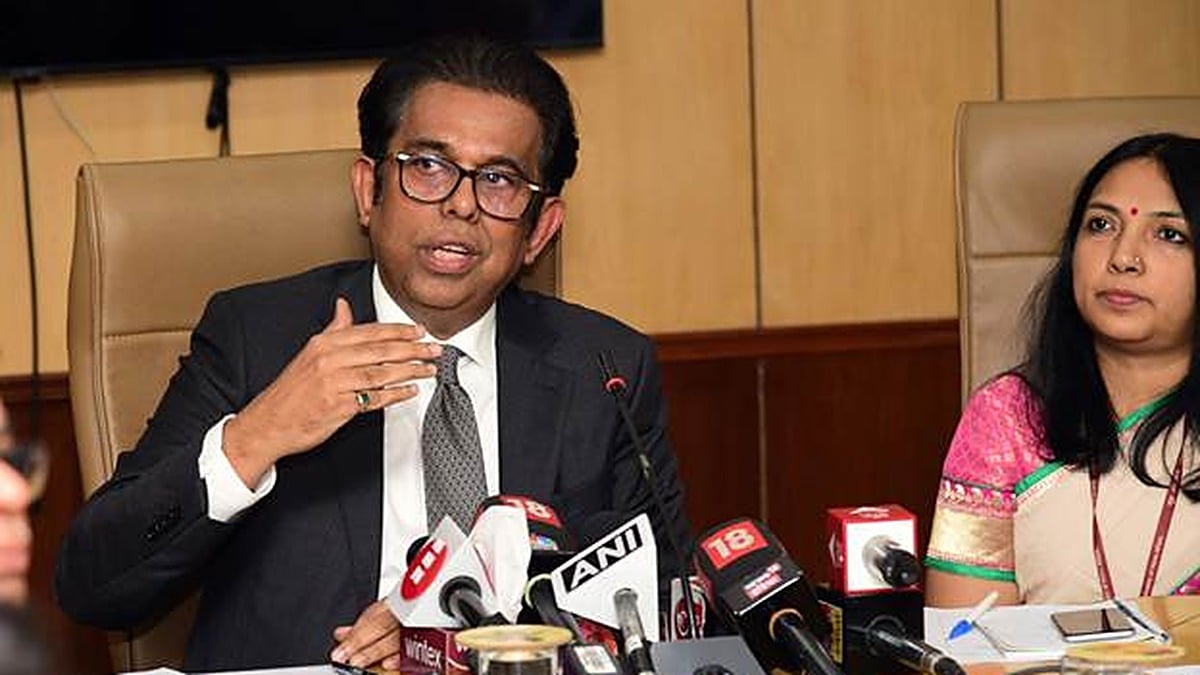
Rohit Kumar Singh, a 1989-batch Indian Administrative Service officer (retd.) who most recently served as Secretary, Department of Consumer Affairs, Government of India, has been appointed chairperson of the BWA-SRB. Dr Praggya Das, a career central banker who was Adviser-in-Charge of the Reserve Bank of India’s Monetary Policy Department and Secretary to the Monetary Policy Committee, joins the body as a member.

Voluntary rulebook for VDA players
The SRB will encourage member companies to adopt a set of voluntary guidelines covering market integrity, cybersecurity, protection of digital assets and customer data, transparent token listings, consumer protection, grievance redressal and responsible marketing.

It will also carry out periodic reviews of members’ governance and compliance practices, including anti-money laundering and countering the financing of terrorism (AML/CFT) controls, and recommend corrective action where gaps are found. BWA has clarified that the body’s role is to guide members and raise industry standards, not to replace statutory regulators.
According to BWA, the SRB is also intended to act as a structured channel between industry participants and public authorities, helping regulatory objectives to be understood and applied consistently across a sector whose global and decentralised nature makes oversight complex.

Filling the gap until a formal framework arrives
The move comes months after the Parliamentary Standing Committee on Finance recommended an interim regulatory framework for cryptocurrencies and VDAs through recognised self-regulatory organisations operating under a designated regulator, given the absence of comprehensive legislation for the asset class.
In its 36th report on the proposed Securities Markets Code, 2025, presented in July 2026, the committee also called for specific definitions of VDAs across securities, derivatives and other categories, noting that not every crypto asset fits neatly into a single segment.
Singh’s background is expected to bring a consumer-protection lens to the body. As Consumer Affairs Secretary, he set up India’s first AI-enabled consumer grievance redressal system and oversaw the digitisation of consumer courts, including e-filing, case tracking and multilingual video conferencing. He has also held senior roles across the departments of Home Affairs, Information Technology, Finance and Road Transport and Highways, among others.
Das brings experience in banking regulation, liquidity management and financial market operations from her years at the RBI, including a secondment to the Bank of England’s Monetary and Financial Statistics Division. Reports noted that the SRB will place particular emphasis on building trust among younger investors from Tier 2, Tier 3 and Tier 4 cities, who form a growing share of India’s crypto user base.
Why it matters
With no comprehensive law yet governing crypto trading and token issuance in India, an industry-led SRB with former government and central bank officials at the helm gives platforms a common compliance baseline. It also gives policymakers a working reference point as they weigh how a formal SRO-led model could function.
How effective the body proves will depend on how many exchanges and Web3 firms sign up, how strictly its reviews are enforced, and whether its standards are eventually recognised by a statutory regulator.