

A sharp rise in US Treasury yields and currency hedging costs is forcing Indian banks to rethink their overseas fundraising plans. At least four public and private sector lenders have put planned US dollar bond issues on hold, as the all-in cost of foreign borrowing has climbed well above what they would pay to raise funds at home, according to a Reuters report published on 27 October citing bank officials and merchant bankers.
$2.5 billion of planned issuance on hold
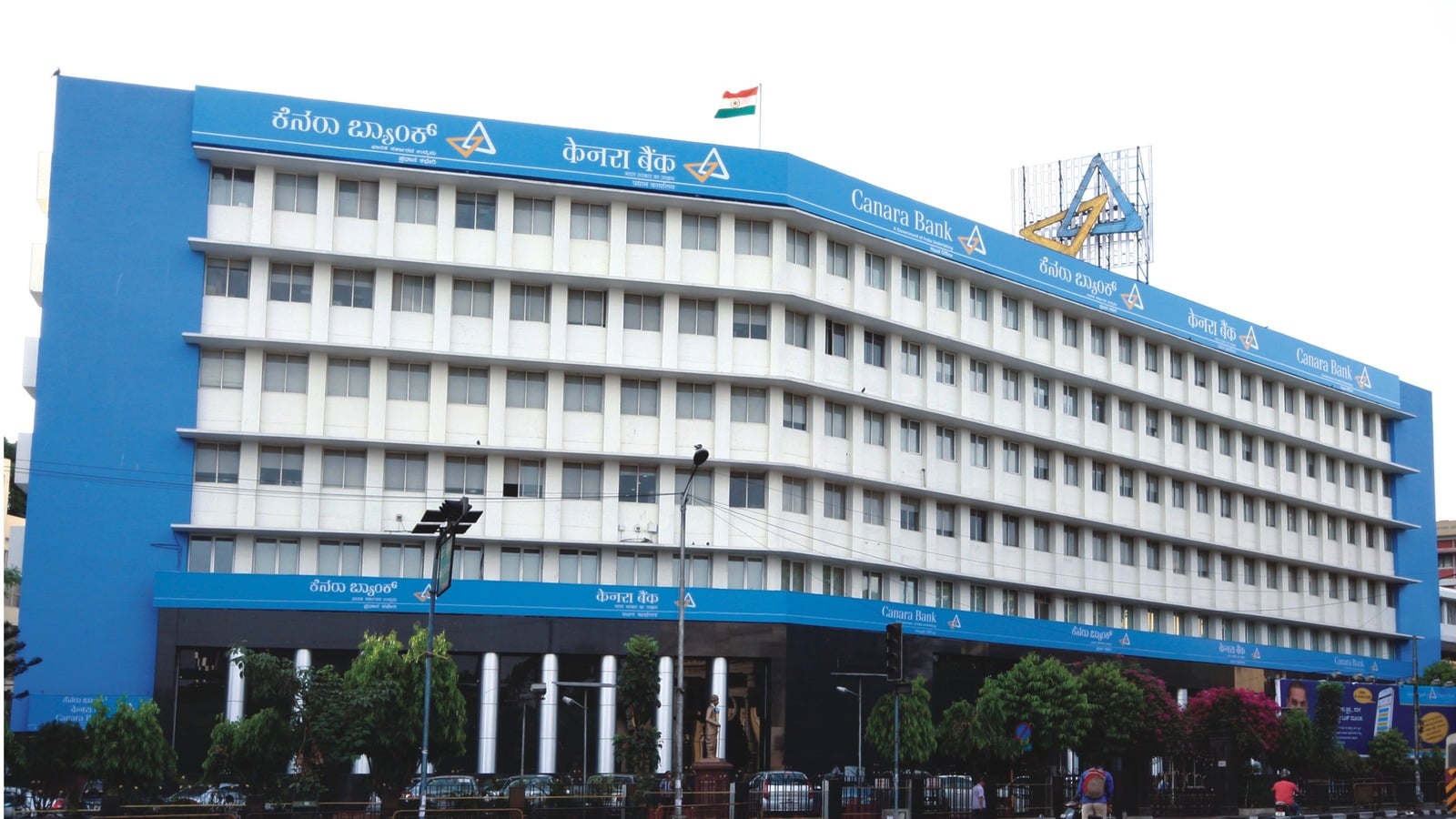
State-run Canara Bank, Punjab National Bank (PNB) and Bank of India had together been preparing to raise as much as $2.5 billion through dollar debt under the Reserve Bank of India’s subsidised hedging facility. The lenders had opened discussions with arrangers but ultimately chose not to proceed, the report said.

Canara Bank MD & CEO Brajesh Kumar Singh confirmed that the bank had decided against going ahead with its planned dollar bond sale because rates had risen too sharply. PNB and Bank of India did not respond to queries.

Private lender Karur Vysya Bank has also evaluated a dollar issue but is waiting for better pricing. MD & CEO Ramesh Babu had indicated on the bank’s post-earnings call earlier this month that it could look to close a deal within a month or so if pricing and funding conditions turn favourable.
Why dollar funding has become expensive
The 10-year US Treasury yield has risen by about 25 basis points over the last two months to around 5%, while the rupee has weakened roughly 0.8% over the same period. Combined with a jump in hedging costs, this has tilted the math in favour of rupee funding. Bankers estimate that the all-in cost of dollar debt for a state-run lender is currently about 70–100 basis points higher than one-year rupee funding.

Credit market dynamics are adding to the pressure. Heavy supply from Indian lenders in recent months has widened secondary spreads and pushed up new-issue premiums, while a broader risk-off move across Asian credit markets has made fresh issuance costlier. Lim Ze Hao, associate director for APAC financials at CreditSights, said some lenders in the pipeline are still expected to come to market once dollar conditions improve, particularly given the incentive to use the RBI facility before it lapses.
RBI’s hedging window runs until December
The RBI has allowed banks and state-run companies to raise funds overseas and access a subsidised currency hedging facility between June and December 2026, lowering the cost of managing exchange-rate risk. Indian lenders have already raised about $13 billion through dollar bonds under the scheme, including an aggregate $3.5 billion raised by five state-run banks through private placements and public issues.
What it means for banks
The pause comes as domestic funding conditions are also tightening. Surplus liquidity in the banking system has thinned sharply after GST outflows and higher cash reserve requirements, prompting the RBI to conduct variable-rate repo auctions, while rupee bond yields have moved up alongside crude oil prices. For banks, that leaves fewer cheap avenues to fund strong credit demand, and puts the focus back on deposit mobilisation, domestic bond markets and capital raising.
With roughly two months left in the RBI’s hedging window, the coming weeks will show whether lenders return to the dollar market on any easing in US yields, or let the facility lapse in favour of costlier but more predictable rupee funding.