





Today, personalisation is key to customer engagement, as they expect companies to tailor experiences to their changing needs and preferences. However, most customers feel banks and financial services treat them as a number rather than as an individual. Banks that want to stay relevant must provide a more tailored, relevant, and end-to-end experience in addition to next-best deals and targeted marketing. For financial consumers, connected experiences are in, disconnected transactions are out. The article endeavours to discuss and highlight the role of crafting contextual personalisation strategies to achieve customer delight, engagement and loyalty.
Introduction

In marketing, personalisation is when organisations use data to tailor messages to specific users’ preferences. In financial services, it is about offering solutions for a customer by understanding his or her financial journey and the situation at a particular time. For banks, it is the ability to embed its services into the life moment of its customer. This Market Intelligence Report explains the concept, the evolving trends, tools and solutions for delivering personalisation and proposes prescriptive and contextual recommendations to help the Bank incorporate personalisation into business strategy.
The Need for Personalisation – Adapting to Evolving Customer Preferences

From basic interactions to meaningful connections, customer preferences have evolved in different industries. It is necessary that companies embrace technology for data, analyse consumer behaviour shifts, tailor interactions to individual needs and create meaningful connections.

Indian banking consumers expect banks to personalise their financial experience with data available vis-à vis age, gender, marital status and social media activity and 96% of the respondents from India rate in affirmative (i.e., Very Comfortable or Comfortable). The BCG analysis on customers’ acceptance of personalisation reveals that a significant majority of consumers globally are comfortable with personalised experiences and even expect them. The key benefits of personalisation identified by customers include value, enjoyment, and convenience.

Personalisation in Banks – What Consumers in India want?
Banks can leverage personalisation techniques to provide customised experiences that drive engagement and loyalty, albeit with customer consent. Apart from technology, banks need to comprehend the appropriate scenarios via data analysis to carve out engagements that are real and contextual. That will show that they know and care about their customers. A report by Forrester Research titled “Indian Customers Have an Appetite for Personalisation” emphasises the demand for personalised and contextual banking services among metro Indian consumers. 
Figure 2: Consumers’ Appetite for Personalisation
Key findings provide the following insights:
➢ Demand for Personalisation: The figures above highlight a strong demand for personalised banking experiences among Indian consumers.
➢ Customer Consent cannot be ignored: With the required customer consent, personalisation enables banks to anticipate customer needs, engage proactively, and enhance loyalty.
➢ Leveraging technology for crafting real contexts: With data analytics becoming pervasive, banks should leverage technology to carve contextual insights to deliver personalised experiences that demonstrate care and understanding of customer needs.
It emphasises the importance of personalisation in enhancing customer engagement and satisfaction.
The Impact of Customer Personalisation
A McKinsey report titled “McKinsey Explainers – What is Personalisation” highlights its impact. Companies are now increasingly relying on data analytics to create personalised experiences for individual customers. This shift represents the next major development in the banking industry and is expected to significantly transform the way banks engage with customers.
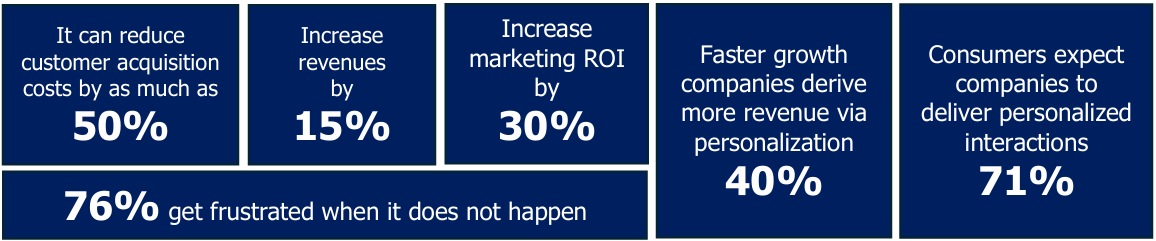
Figure 3: Impact of Personalisation Marketing
True personalisation is based on having a thorough understanding of each customer’s specific demands and coordinating a series of customised experiences across digital and human channels. Banks must leverage a contextual understanding of the customer’s physical, phygital and digital journey to customise offers and actions.
The Evolution of Customer Personalisation
Personalisation has grown from one-size-fits-all to customised experiences, thanks to technology and changing expectations. The focus now is on meeting each customer’s unique needs.
- Early Days: Personalisation started with simple demographic segmentation, grouping customers by age, gender, or location. This was the basic method and often felt impersonal.
- Data-Driven Insights: With digital platforms, businesses began using customer data to understand preferences and behaviours. This enabled more focused marketing and better engagement.
- AI and Machine Learning: The use of AI and machine learning transformed personalisation. These tools allow real-time analysis of customer data, helping businesses predict needs and provide customised solutions.
- Hyper-Personalisation: Today, advanced analytics, AI, and omnichannel strategies create highly personalised experiences. This goes beyond preferences to include context, emotions, and real-time interactions.
- Privacy and Ethics: As personalisation grows, data privacy and ethical use have become crucial. Companies now emphasise transparency and customer consent to build trust.
The Opportunity is Digital!
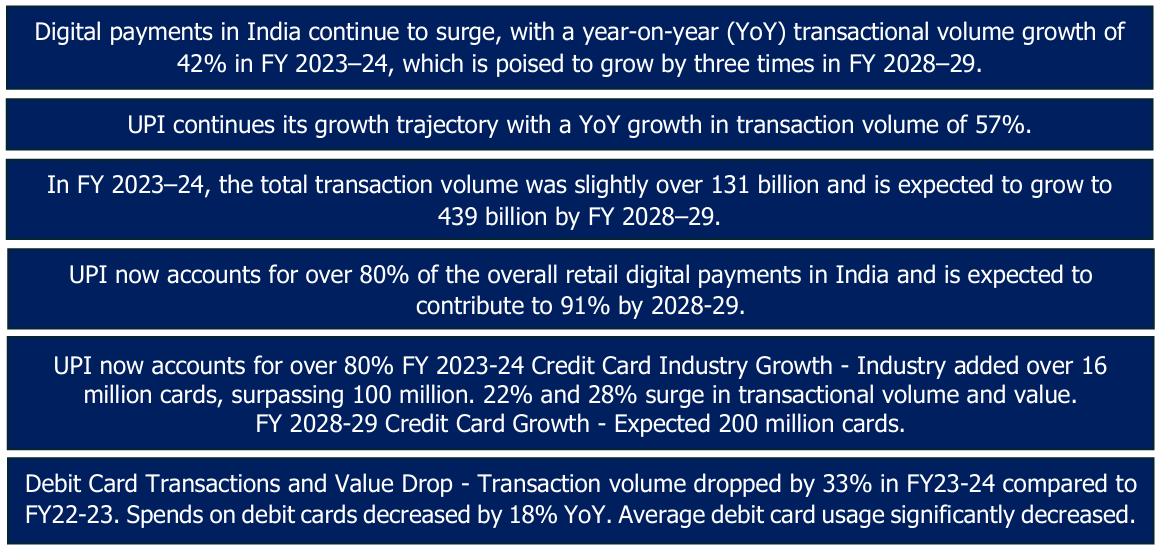
The popularity of Indian payment products is increasing considerably as consumers are increasingly preferring these products for their ease of use, reliability, efficiency and cost-effectiveness. Additionally, the regulatory initiatives to promote digital payments and financial inclusion have created a conducive environment for innovation, expansion and adoption. The growth is driven by ecosystem innovations, new business opportunities, evolving technology, and greater customer awareness. The following details highlight the growth potential and the role of data in analysis and insights.
Personalisation in Banks – What Next?
Personalisation in banking involves using data and analytics to predict customer needs, providing advice, services, or products, and implementing “personalisation” in real-time. This can strengthen client relationships and foster trust. Banks can transition from mass marketing to highly customised services, increasing acceptance rates, stickiness, trust, and loyalty. Personalisation drives customer loyalty, which will eventually lead to retention, loyalty and profits. BCG (What Does Personalisation in Banking Really Mean?/wwww.bcg.com/publications) estimates that personalisation can enhance bank revenues by 10%.
Personalisation in banking necessitates a comprehensive understanding of customers’ credit history and investments, despite the abundance of customer data scattered across departments within banks. Banks need to comprehend the personalisation maturity concept to realise and craft the progression of an organisation’s ability to deliver personalised customer experiences. Achieving higher levels of personalisation maturity allows businesses to better understand their customers and foster deeper connections. How you reach your customers and via which specific channel is crucial to personalisation. The realm of prescriptive, real-time and AI-ML personalisation holds the key to that.
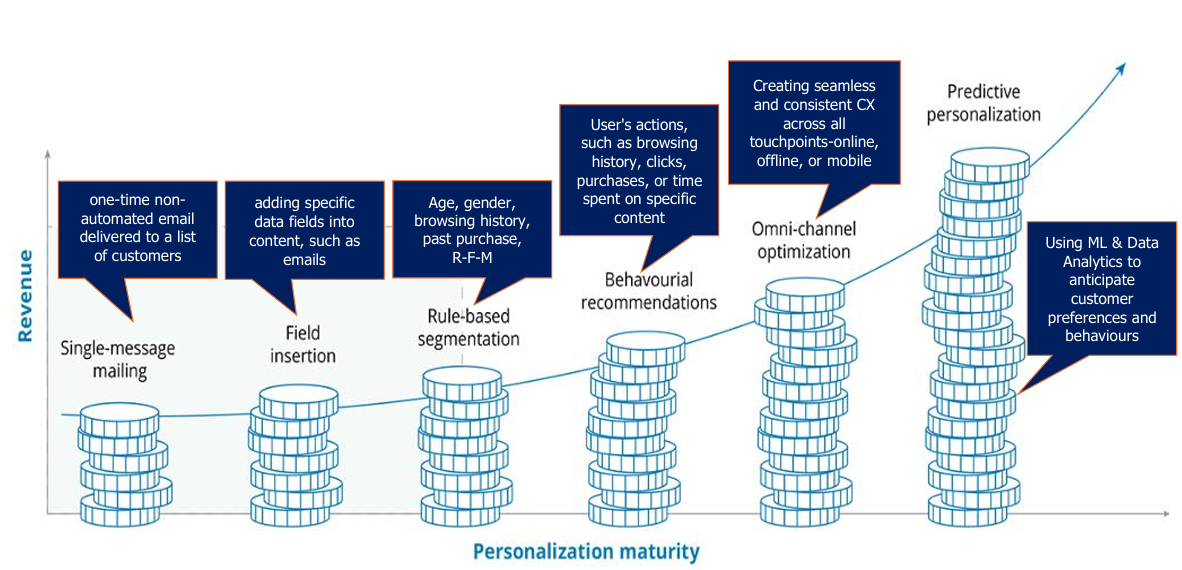
Figure 7: Personalisation Maturity
Personalisation maturity refers to the stages of development an organisation goes through in its ability to deliver personalised experiences to customers. It typically involves progressing from basic, one-size-fits-all approaches to highly advanced, data-driven personalisation strategies. The realm of personalisation now includes:
- Prescriptive personalisation is a rule-based approach to tailoring user experiences. It relies on predefined business logic to deliver content, recommendations, or offers based on user profiles, behaviours, or contextual factors. Prescriptive personalisation in banks involves using predefined rules and customer data to deliver tailored financial services, products, and experiences.
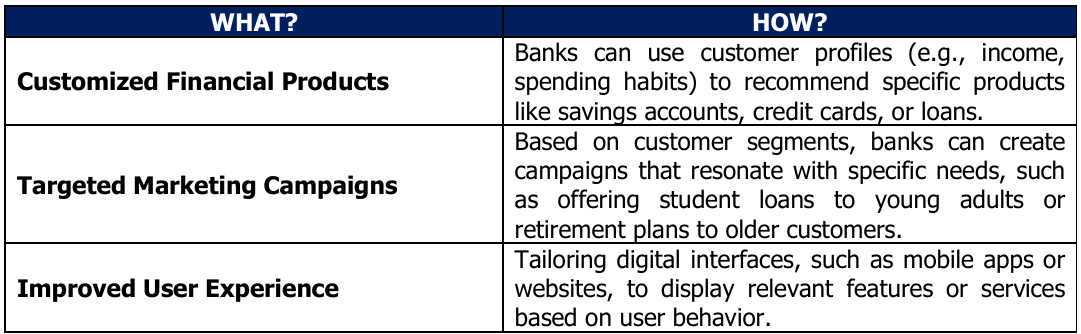
Table 1: Strategising Prescriptive Personalisation(Source: Author created)
- Real-time personalisation – Prescriptive personalisation depends on past customer data, while real-time personalisation uses live information. Just like Amazon or Netflix recommendations, banks can now use real-time data and advanced analytics to instantly deliver customised experiences and solutions.
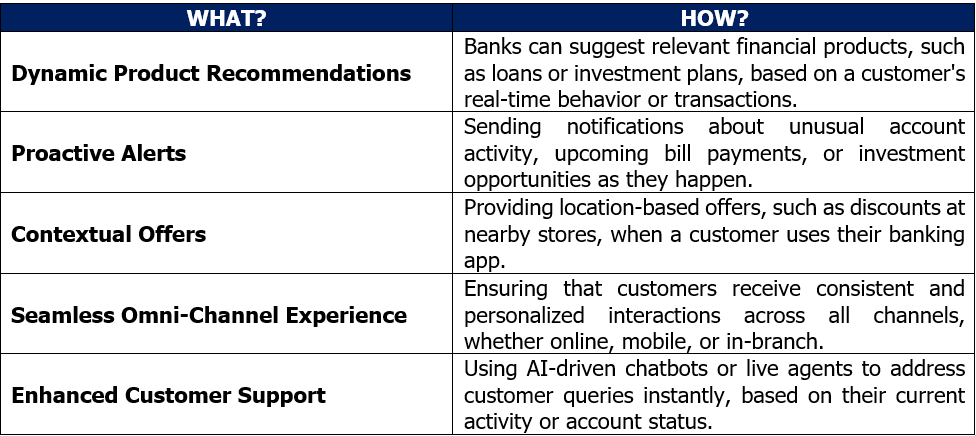
Table 2: Strategising Real-time Personalisation (Source: Author created)
- Machine learning personalisation – Personalisation now uses technologies like machine learning, which studies customer data and behaviour to send relevant offers.
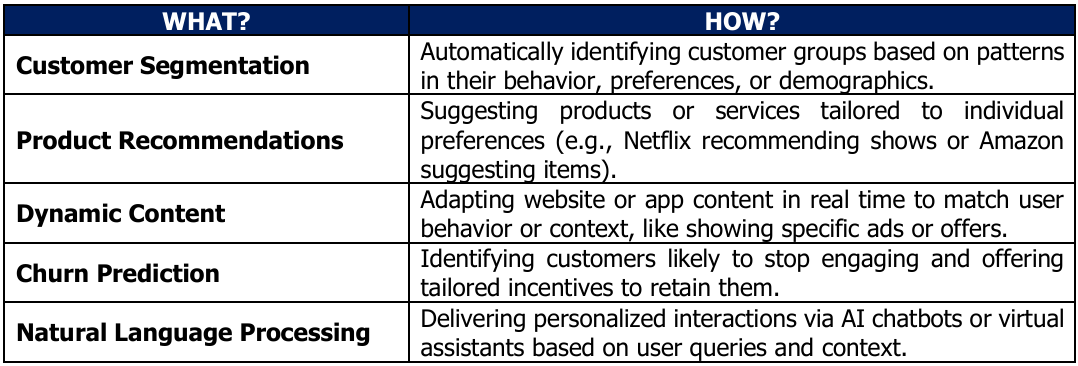
Table 3: Strategising Machine Learning Personalisation(Source: Author created)
Challenges and Approach to Personalisation – Banking Perspective
To personalise services, banks must understand customers’ credit records, investment patterns, and financial behaviour. While banks have large data, it remains fragmented across different departments.
- Data Silos Impacting Personalisation
Single customer view, i.e., C360, is the cornerstone for personalisation in banking. Given the volume of data, banks have an excellent scope for personalisation even comparable with e-commerce. Banks using data analytics and behavioural science capabilities can optimise the single customer view. But data silos are a barrier to achieving this.
- Making it Contextual
Lacking a single customer view with behavioural and contextual data, banks are adopting a product-centric model instead of a customer-centric model. As per a Deloitte survey, just 30% of bank customers said they receive personalised product offerings. Banks today need to recognise that customers with varied needs cannot be served with the same offering. For example, how likely would a college student looking for an Education Loan appreciate a recommendation for a Personal Loan?
- Fundamental Shift in Mindset
For effective personalisation, banks need to break data silos, modernise legacy systems, and integrate all information into one source for analysis. Manual processes and isolated software must give way to cloud-native digital applications that offer speed, flexibility, and scale. By using AI, deep learning, and machine learning, banks can study customer data such as transactions, credit history, demographics, location, and buying patterns and deliver customised solutions. Managed Business Intelligence services further integrate systems like CRM, CBS, and dashboards into a single platform, giving banks deeper insights and a complete view of customer needs.
Also Read: Inside Jocata’s AI Blueprint for the Future of Financial Services
Conclusion
Personalisation in banking is rapidly evolving with the help of technologies like artificial intelligence, machine learning, and real-time analytics. These tools allow banks to offer customised experiences, predict customer needs, and build stronger engagement. Trends such as omni-channel services, predictive personalisation, and dynamic segmentation show the move towards more seamless and proactive customer interactions.
Personalised banking is now becoming a reality. Banks that scale personalisation will gain a clear competitive edge. To achieve this, they must understand the customer’s journey, whether physical, phygital, or digital and design offers accordingly. Recognising the customer’s stage, whether ready to purchase or still exploring options, helps banks add real value. They must also consider past interactions and anticipate future needs to improve experiences. By embracing personalisation, banks can go beyond meeting expectations to exceeding them, securing loyalty in a highly competitive market.
Views expressed by: Mukti Prakash Behera, Faculty in Marketing, State Bank Staff College – Hyderabad