Infocomm Infocomm
24th NBFC100 TECH SUMMIT AWARDS 24th NBFC100 TECH SUMMIT AWARDS
BFSI AI SUMMIT BFSI AI SUMMIT
Home Regulators RBI SEBI TechINFRA Security Data Centre Cloud Services Government Reforms DBT Aadhaar GST Payments Payment Gateways ATM Point of Sale Payment Wallets Fintech Apps Banks Public Sector Private Sector Cooperative NBFCs Year Ender Magazine Magazine Subscription Articles Interviews Webinars Webinar Videos Video Series — Innovation Talk Upcoming Initiatives BFSI Events About Us Contact Us

SBI, ICICI Bank, HDFC Bank are ‘too-big-to-fail’: RBI

RBI

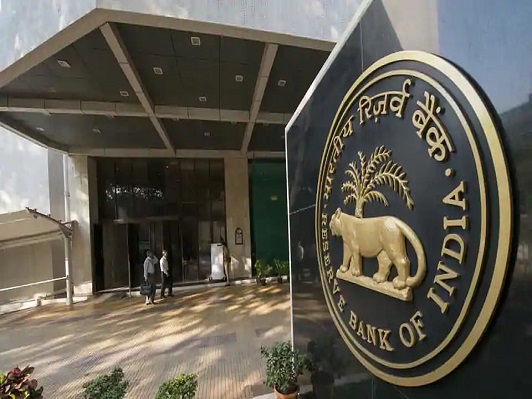
Banking regulator the Reserve Bank of India (RBI) on January 19 revealed the Domestic Systemically Important Banks (D-SIBs) list for 2020 and included State Bank of India (SBI), ICICI Bank and HDFC Bank in it. According to RBI, these banks are systematically important and ‘too-big-to-fail’.

This list was first announced by the Central Bank in 2015 which also included SBI and ICICI Bank. HDFC Bank’s name was later included in September, 2017. ‘Too-big-to-fail’ lenders are banks whose failure is likely to impact the financial system as a whole because of their size and reach of opertaions. This list is published every year by the RBI.

As per the guidelines, such lenders are bound to adhere to additional capital requirements. The additional Common Equity Tier 1 (CET1) requirement for D-SIBs was phased-in from April 1, 2016 and became fully effective from April 1, 2019.

AdvertisementSAAS

Rules suggest that the additional common equity Tier 1 requirement as a percentage of Risk Weighted Assets (RWAs) for SBI is 0.6 per cent and that of other two lenders is 0.2 per cent, according to RBI.

The RBI issued the framework for dealing with D-SIBs on July 22, 2014. The D-SIB framework is dependent on the Reserve Bank to disclose the names of banks included in D-SIBs starting from 2015 and place these banks in appropriate buckets depending upon their Systemic Importance Scores (SISs).

Also Read: BharatPe planning to bid for PMC Bank: Report

 “In case a foreign bank having branch presence in India is a Global Systemically Important Bank (G-SIB), it has to maintain additional CET1 capital surcharge in India as applicable to it as a G-SIB, proportionate to its Risk Weighted Assets (RWAs) in India, i.e., additional CET1 buffer prescribed by the home regulator (amount) multiplied by India RWA as per consolidated global Group books divided by total consolidated global Group RWA,” said the RBI.

The data collected for the latest report was collected from banks as of March 31, 2020.
Elets The Banking and Finance Post Magazine has carved out a niche for itself in the crowded market with exclusive & unique content. Get in-depth insights on trend-setting innovations & transformation in the BFSI sector. Best offers for Print + Digital issues! Subscribe here➔ www.eletsonline.com/subscription/

Get a chance to meet the Who's who of the Banking & Finance industry. Join Us for Upcoming Events and explore business opportunities. Like us on Facebook, connect with us on LinkedIn and follow us on Twitter, Instagram.

Our Coverage of Banks

IOB Launches Digital Rupee App With UPI Interoperability

Indian Overseas Bank has launched the IOB Digital Rupee app, a retail application for the central bank digital… Read more →

SBI Opens First Texas Branch in Frisco via SBIC Bank

State Bank of India (California), known as SBIC Bank, the wholly owned United States subsidiary of State Bank… Read more →

SBI Gets $150 Million IFC Social Loan for 8.64 Lakh Rural Women

State Bank of India (SBI) and the International Finance Corporation (IFC) on 6 November 2026 announced an expanded… Read more →

Federal Bank Joins MCA SPICe+ Portal for New Company Accounts

Federal Bank on 6 November 2026 announced that it has been empanelled on the Ministry of Corporate Affairs’… Read more →

OneStack Raises ₹12.5 Crore for Cooperative Bank UPI Rails

OneStack, a Mumbai-based fintech infrastructure provider to cooperative banks, has raised ₹12.5 crore in a round led by… Read more →

Bank of Baroda to Lift Tech Spend Above 10% After Cyber Breach

Bank of Baroda will push its technology and cybersecurity spending above its long-standing cap of 10% of operating… Read more →

whatsapp--v1